Last Sunday was Father’s Day. While many celebrated their fathers, for some it was a painful reminder of a relationship that is strained, absent, or estranged.
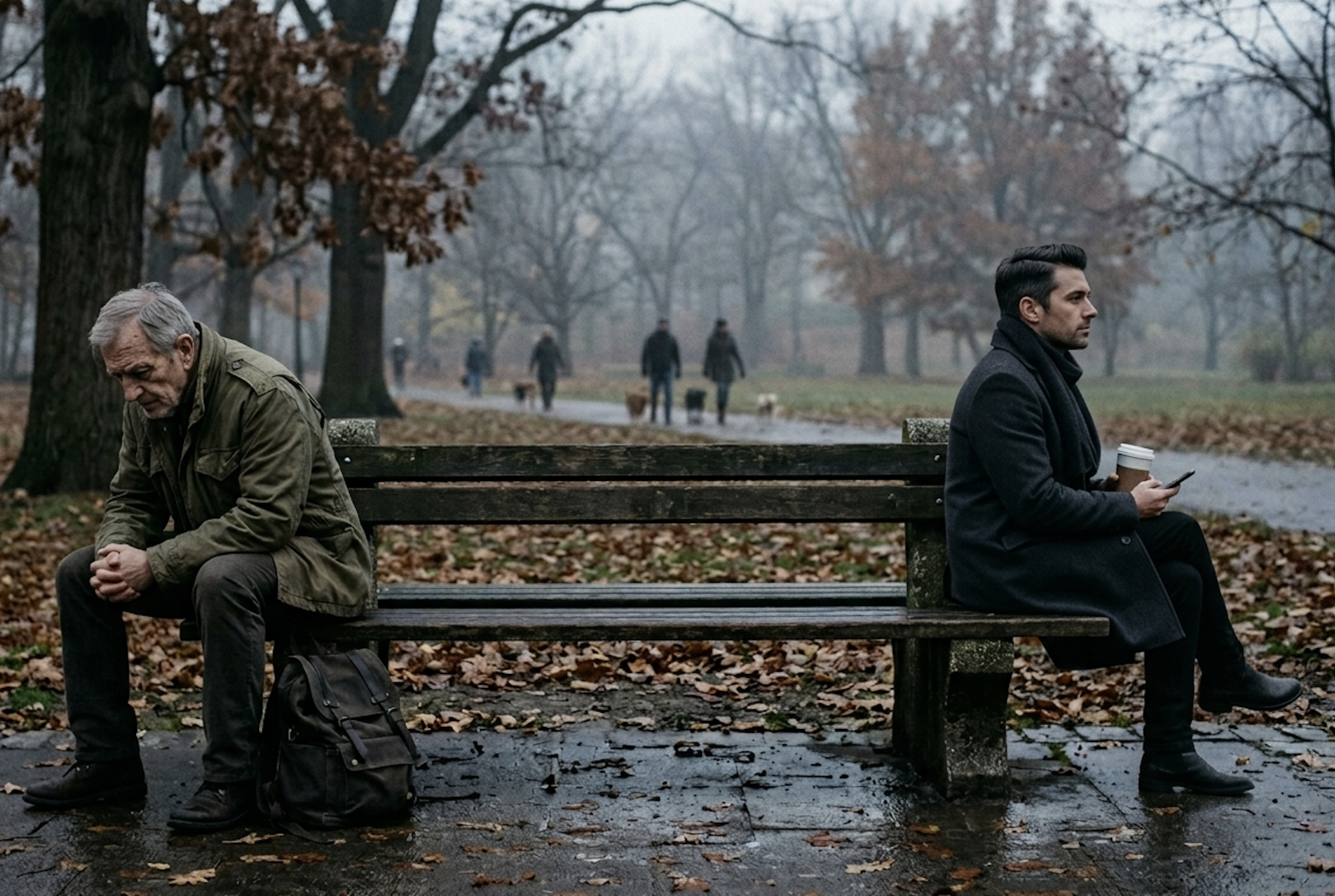
More people today find themselves estranged from family because of unresolved conflicts. The truth is most people who estrange themselves from loved ones don’t actually want to be estranged. They’ve simply been hurt—or stuck in painful patterns—so they create space. Then time passes, and it gets harder and harder to find a way back into relationship.
I know that experience personally.
After my dad cheated on my mum, drained their bank account, and left her for another woman, I was furious. I wanted him to apologize, to take responsibility, and to give the money back. But every time we tried to reconnect, he was focused only on his own pain. He seemed selfish and unreasonable to me and the conversations felt disappointing and frustrating.
I distanced myself from him, and eventually it felt easier to have him out of my life. Less messy. Less painful. I even stopped thinking about him or missing the relationship.
Then twenty years later, I found myself on New Life Live radio giving advice to callers on both sides of the estrangement dynamic. Adult sons and daughters who felt they had no choice but to create distance, and parents who were heartbroken and longing for reconciliation.
This challenged me. I realized I needed to decide whether I was willing to remain estranged from my dad for the rest of my life. If so, inevitably, someday I would receive a notification telling me he had died. Would I then feel regret?
So, I made a decision. I reached out to establish some kind of connection.
He hasn’t changed dramatically, but I can manage a conversation with him now—even if it’s about superficial things. And that’s at least something.
Recently, I spoke to someone who shared a similar story. His father had been an abusive alcoholic when he was young, and they hadn’t spoken in twenty-two years. His dad didn’t even know he had a third child who was now a young adult.
Someone reached out to him and told him his father was now sober, and though in his late 70’s, was doing his best to follow a Christian life. They wanted to know if he’d be willing to speak with him.
He agreed to a phone call. During that call, he told his father, “Dad, I forgive you.”
His dad replied, “And I forgive you too.”
Feeling confused, he asked, “For what?” His dad said sincerely, “For being a difficult child.”
That response hurt—but instead of reigniting the conflict, he chose peace.
We all have our stories. And while the details differ, the core pain is often the same.
We feel hurt that the other person:
Doesn’t recognize our wound
Won’t admit they were wrong
Believes we owe them an apology
In most conflicts, both people think they were more wronged by the other. This isn’t unique. But when we offer forgiveness and choose peace, we free ourselves from the prison of bitterness.
If you’re estranged from a family member, consider this question:
Can I accept who the other person is and not who I would like them to be—and still make the first move toward peace?
This doesn’t mean pretending the hurt never happened. It doesn’t mean immediately restoring trust or diving back into close relationship either. Healthy boundaries may still be necessary, especially if the relationship doesn’t feel safe yet.
The person you’re estranged from may never meet all your expectations. You may not get the apology you long for or even an acknowledgment they did something wrong. Yet forgiveness is as much about your own healing as it is for the person being forgiven.
Also, if you have kids, they may be missing out on a relationship that could be fulfilling for them. Sometimes our parents end up being better grandparents than they were moms or dads.
Finding peace doesn’t always require the other person to change. Sometimes it begins when we decide to take one small step toward healing ourselves.
If You Have a Parent Wound—You’re Not Alone
Many people are still carrying their parent wounds. And sadly, many parents nowadays send their kids for the therapy they should be receiving.
If you have a parent wound, or if you know you have hurt your own children, it’s not too late to start to heal or repair. Even if they are now adults.
We have many resources to help you.
👨👩👦 Check out our Parenting Bundle. It’s packed with practical insight for healing and raising emotionally healthy kids including our 6-hour parenting workshop we recently recorded.
🫶 If you’re married, check out our Couple’s Bundle, because healing your relationship creates the stable foundation your kids need.
🌱 And, if you are a single parent, divorced, or recovering from your own parent wound, our Single’s Bundle offers the tools and support you need to move forward with clarity and hope.
Each of these bundles are only about the cost of a single private-pay therapy session with 14-15 hours of audio and video content!
 Thank You for Growing with Us
Thanks for being part of the How We Love community.
Keep learning, keep loving, and keep growing together.
With love and blessings,
Marc & Amy
Milan & Kay
Join over 100,000 people receiving our weekly relationship Insights directly to their Inbox.
Sign up using the form at the bottom of this page.