Our daughter turned 21 last week.
As I (Marc) reflected on that milestone, I couldn’t help but think about how much she has changed over the last ten years—and how much I have, too. The journey from preteen to young adulthood has been quite a rollercoaster.
She went from being an outgoing, carefree child who would sing and dance in front of our friends… to a socially anxious teenager, often living on the edge of her emotions, resistant to our advice and even physical affection at times… and now she’s grown into a confident, thoughtful young woman with an incredible future ahead of her. She’s much smarter than I was at her age—both intellectually and emotionally.
And yet, I remember how hard the teenage years were at times for me as a parent.
Why do our kids trigger us so much—especially when they become teenagers?
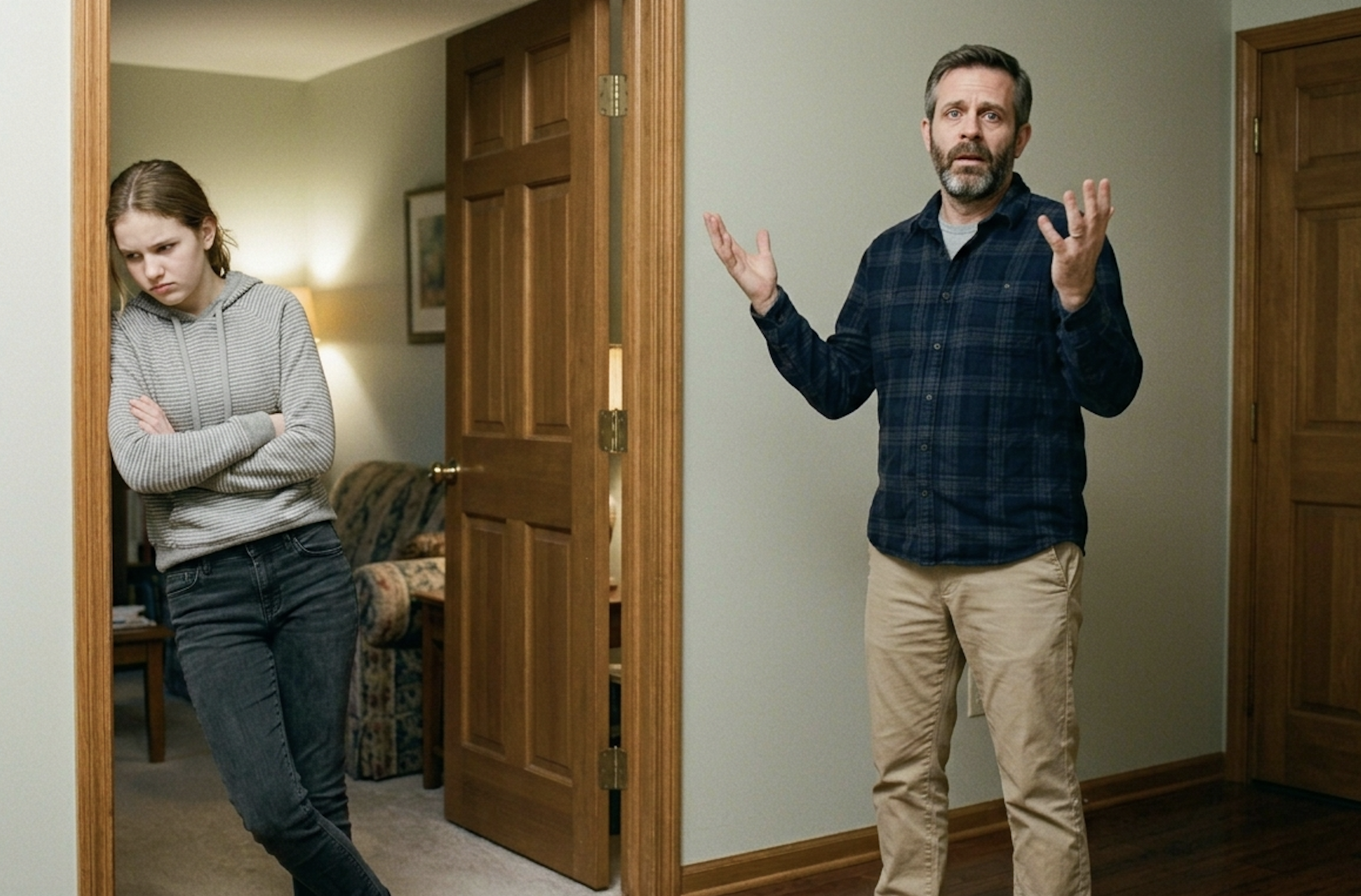
Teens go against social norms of respectful interaction. They roll their eyes. They sigh. They stomp. They’re sarcastic. They can appear ungrateful and forget to say “please” or “thank you.”
But here’s something I’ve come to understand: Kids are mirrors!
They absorb and reflect—and that’s often from what they see in us.
What bothers us about their behavior is that they unconsciously awaken something old inside of us.
They become reminders of our own childhood experiences, our unmet needs, and our unresolved wounds.
What gets triggered inside of us is a rekindling of an old neural network.
I remember one turning-point moment in my own growth.
My daughter resisted a hug from me because she was feeling self-conscious.
Immediately, though, I felt hurt. My first instinct was to pull away emotionally and protest. I probably said something like:
“Gosh, I’m only trying to hug you.”
In that moment, it felt personal.
As I walked away I remember thinking, she used to so easily hold my hand or come sit on my lap. What happened?
But because I was becoming aware of my own attachment patterns, I paused and asked myself a different question: What is being triggered in me?
When I reflected upon that, I realized it was rejection.
And my daughter hadn’t put that feeling there.
She had unintentionally activated an old wound in me, which wasn’t her fault. A familiar feeling I had learned to react to long ago.
My protest wasn’t really about her. It was about how I’d learned to defend against this hurt.
Meanwhile, she was simply going through a normal stage of development.
During adolescence, teens are not only flooded with hormones that drive physical development—often leaving them feeling awkward or uncomfortable in their changing bodies—but they also experience a major wave of neural pruning, the brain’s way of becoming more efficient by strengthening the neural connections that are used often and eliminating those that are used less.
This process is designed to prepare them for adulthood to learn:
Decision-making
Impulse control
Emotional regulation
Foresight
Empathy
Perspective-taking
But because their brains are still under construction—and this is a process—they also tend to:
React emotionally before thinking
Take more risks
Be highly sensitive to peer acceptance
Struggle with identifying long-term consequences
Seem wildly inconsistent in maturity
They push away from parents because they need to learn how to navigate the world without us. For most, this is a ten-year process or more.
And while it can feel deeply personal, it isn’t.
Teenagers are actively wiring in the emotional and relational patterns they will carry into adulthood—which is why healthy attachment, emotional coaching, and consistent connection matter so much during these years.
The teen years are necessary. God created this stage on purpose.
It helps to remember that you went through it, too. If you need a reminder, your parents could probably tell you a few stories!
Teens are not problems to be solved. They are relationships to be managed.
To keep me empathetic, I had to set a daily pop-up reminder on my phone that simply said:
“It’s hard to be a teenager.”
I kept that reminder for several years, only deleting it last year. I needed it—not just for our kids’ sake, but for my own.
I didn’t get all the lessons I would have hoped for during my own adolescence and have had to do lots of reconditioning work now in adulthood.
In truth, parenting has played a significant role in exposing areas in me that needed to be pruned for my growth.
Because when we can recognize that often our children’s struggles expose our own unfinished healing, it can be a gift.
We’re with you in the journey.

 Age-by-age guidance
 Thank You for Growing with Us