

In the Gospel of Matthew, chapter 18, Peter the Apostle asks Jesus a very human question: “How many times should I forgive?”
It’s the kind of question we all wrestle with a version of—because forgiveness isn’t easy.
Jesus responded the way he often did—by telling a story.
A servant owes a king 10,000 talents. To put that into perspective, a single talent was worth about 20 years of a laborer’s wages. This wasn’t just a large debt—it was an impossible one. Billions, in today’s terms. There was no way he could ever repay it.
So, the servant begs for mercy.
And the king does something shocking—he forgives the entire debt. Completely. Freely. At great personal cost.
But then that same servant goes out and finds someone who owes him a hundred denarii—about five months of wages. A real debt, yes—but nothing compared to what he had just been forgiven. And when that man asks for mercy, the servant refuses and has him thrown into prison.
The meaning of the story is evident: if we want to receive forgiveness, we should also extend it.
And while that was a parable, Corrie Ten Boom’s real-life story brings this truth even closer to home.
Corrie, a survivor of a Nazi concentration camp, spent years after the war traveling through Germany speaking about forgiveness. After one event, a former guard—one who had been particularly cruel to her sister who eventually died in the camp—approached her and asked for forgiveness.
Everything in her resisted.
And yet, she made a choice to do so. Later, she reflected on how she managed that moment. She said the Lord told her that:
“Forgiveness is an act of the will, and the will can function regardless of the temperature of the heart.”
Decisional vs. Emotional Forgiveness
Corrie demonstrated something important to understand: forgiveness is not just a feeling or a one-time event. It’s a process—and as much an action as it is a feeling.
Psychologist Everett Worthington describes two types of forgiveness: decisional forgiveness and emotional forgiveness.
In other words, there’s the choice to forgive… and then there’s the feeling of forgiveness. And those don’t always co-occur at the same time.
He offers a practical framework for decisional forgiveness with the acronym REACH:
Recall the hurt honestly, without minimizing it.
Empathize with the other person’s humanity—even if you don’t agree with their actions.
Altruism—remember a time you were forgiven, and choose to extend that same grace.
Commit to forgiveness—even stating out loud that you are choosing to forgive.
Hold on to that choice when the feelings of hurt resurface—because they likely will.
And the wonderful thing about doing this is that the memory of the hurt changes. Because each time we recall the memory with forgiveness, the memory gets modified—it’s neuroscience!
Remember, the true reason we forgive is not because others deserve it—it’s because we recognize that we don’t.
Someone told me recently: Criticism focuses on the other, while confession focuses on self.
The truth is, we will never be asked to forgive someone more than what the Lord has already forgiven us. And when we treat others like the debt still needs to be paid, we act as if Jesus’ blood wasn’t enough for them—and in doing so, also not enough for us.
So, if forgiveness doesn’t feel natural today, you’re not alone.
But it is still a step you can take.
One decision. One moment. One act of courage at a time.
Need Help with Forgiveness and Repair?
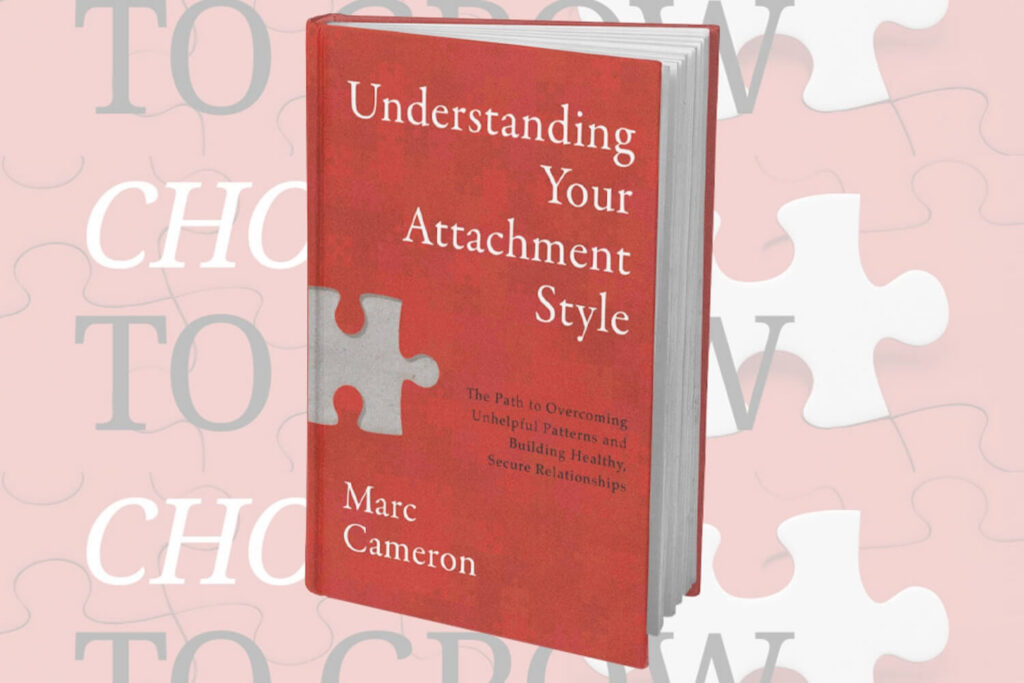
Understanding Your Attachment Style—a powerful resource for exploring how your past shapes your present relationships, and ways to grow toward secure attachment.
Also, get our Rupture and Repair Webinar
This webinar will help you:
• Evaluate the extent of relational rupture
• Understand why repair can feel so difficult
• Learn practical steps to begin rebuilding trust and connection
A process which many didn’t learn growing up.
If forgiveness feels complicated, you don’t have to navigate it alone. We’re here to help.
 Thank You for Growing with Us
Thanks for being part of the How We Love community.
Keep learning, keep loving, and keep growing together.
With love and blessings,
Marc & Amy
Milan & Kay
Join over 100,000 people receiving our weekly relationship Insights directly to their Inbox.
Sign up using the form at the bottom of this page.