
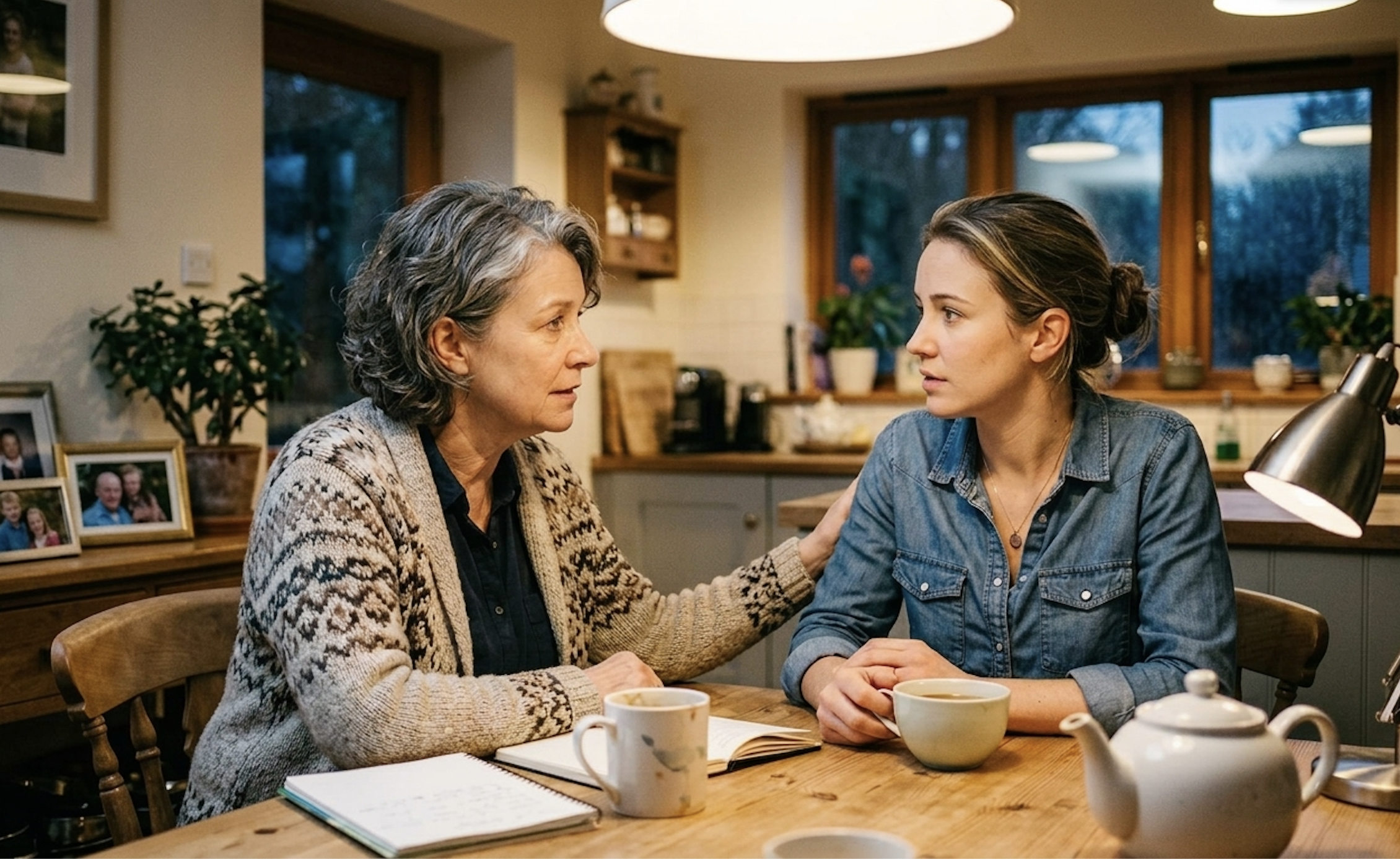
There is a unique kind of ache that comes with watching an adult son or daughter make choices we wouldn’t choose for them.
By the time our children reach adulthood, we’ve spent years guiding, protecting, teaching, and loving them. We’ve communicated our values, tried our best to model what we believe is right, and often sacrificed deeply for their well-being. So, when they make decisions that conflict with those values—whether in relationships, career paths, finances, or lifestyle—it can stir up a complex mix of emotions: confusion, fear, disappointment, anger… and even grief over the life we hoped they would have.
And yet, their movement toward independence invites us into a difficult—but important—kind of growth: learning to live in the tension between love and disagreement.
One of the hardest truths to accept once our children are grown is that our role has changed. When they were young, we had both influence and authority. Now, they’re adults we can hope to have influence—but authority has shifted entirely to them.
We may catch ourselves thinking:
• “If I just explain it better, they’ll see.”
• “They’re making a mistake—I need to step in.”
• “I can’t just stand by and watch this happen.”
But underneath those thoughts is often a deeper struggle: letting go of authority.
Because once they’ve grown, they move from children to adult sons and daughters—individuals with their own agency, journeys, and lessons to learn.
When parents don’t accept that shift, disagreement often turns into criticism or pressure. And this is when they may stop sharing, visit less, and guard themselves emotionally.
Accepting your adult son’s or daughter’s choices doesn’t mean you agree or are okay with them. It means acknowledging their right to make their own decisions as an adult—even ones you believe are unwise or painful. It means choosing to stay emotionally connected without pressuring them to live according to your expectations.
You can say, internally or even aloud if invited to:
“I don’t agree with this choice, but I still love you and I’m still here.”
This kind of love is not passive—it is intentional. It resists the urge to withdraw, criticize, or control, and instead leans toward presence and connection.
Staying Present Without Overstepping
So, what does it look like to stay connected while honoring boundaries?
- Listen more than you advise. When they share their lives, listen for the “why” behind their choices. They’re more likely to open up when they feel heard and like you want to understand, rather than corrected.
- Ask permission before offering input. A simple “Would you like my perspective?” can make a big difference. When they say, “No,” keep quiet.
- Manage your own anxiety. If you’re struggling with their decisions, process your feelings with a spouse, friend, or counselor. Your willingness to continue to grow will speak much louder than telling them what to do.
- Keep the door open. Let them know you’re a safe place, regardless of their choices to reinforce the foundation of your relationship.
- Recognize that growth often comes through experience. The lessons we most want them to learn are sometimes the ones they must discover on their own timeline.
- This requires restraint, humility, and emotional courage—which are not always easy. But it also creates space for understanding and connection.
If you do these things, they’re more likely to come to you for advice—and admit when they’re wrong.
Remember—especially if they’re still young—they’re not the finished article yet. You weren’t at their age.
If preserving the relationship matters—and for most parents, it does—then learning to accept their choices and navigate disagreement becomes more important than being right.
Need More Support Navigating Your Relationship with Your Adult Son or Daughter?
Check out these resources to understand more about how each of the insecure attachment styles struggle in letting go and how to move toward a more secure connection.
Parenting Your Adult Son’s and Daughters Webinar
This webinar covers what is my responsibility to my adult sons and daughters? How do I as a parent perceive myself? What if they seem irresponsible?
Parenting Your Adult Kids Audio Download
This audio addresses each of the Love Styles and their tendencies in the process of preparing their kids for adulthood and launching them into the real world. Milan and Kay also discuss some of the things they’ve learned in interacting with their own adult son’s and daughter’s and their spouses.
And if your kids are still young and you want to be more intentional about how you’re shaping them, check out our Parenting Bundle—it’s designed to help you build a strong foundation now to help you guide them into adulthood successfully.
 Thank You for Growing with Us
Thanks for being part of the How We Love community.
Keep learning, keep loving, and keep growing together.
With love and blessings,
Marc & Amy
Milan & Kay
Join over 100,000 people receiving our weekly relationship Insights directly to their Inbox.
Sign up using the form at the bottom of this page.