
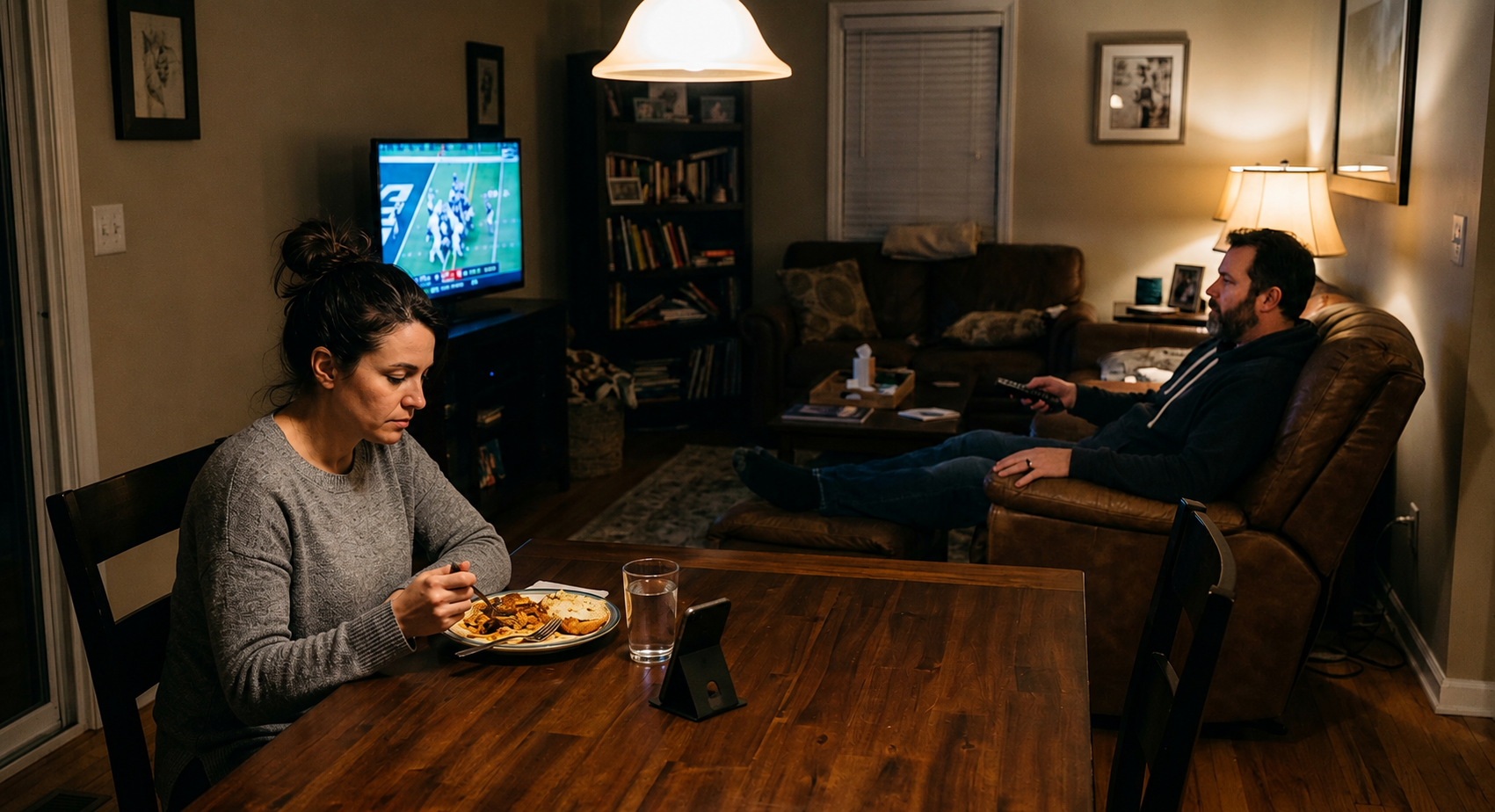
Have you ever noticed that people don’t usually break an unhealthy relationship pattern because they finally understand their problem? They do so only once they’ve become exhausted by it.
There’s a saying we often use in therapy: People change when the cost of staying the same exceeds the cost of change.
Think about that for a moment.
Most people don’t stay stuck because they enjoy their conflict cycle. They stay stuck because it’s familiar.
As painful as it is, they’ve learned how to survive inside it because it’s predictable.
I’m not just talking about a marriage. These dynamics appear in friendships and extended family relationships.
The thought of doing something different—being vulnerable, setting boundaries, asking for help, admitting they need to change, or stepping away—can actually feel more frightening than continuing the dysfunction they already know.
The unknown often feels scarier than the familiar. “Better the devil you know, than the devil you don’t,” as the saying goes.
Every attachment style has its own reasons for staying stuck in a relational cycle of doom.
Pleasers often know what they should do when a relationship shouldn’t continue in its current form because they are being abused or taken advantage of. Yet, they struggle to set boundaries or take a separation because they fear hurting the person or disappointing others who might judge them. Instead, they stay silent.
Avoiders often know when they should be engaging more emotionally, but vulnerability feels riskier than distance to them, and they are often content living a disconnected life anyway.
While Vacillators are the most common attachment style to cut off a relationship when they are unhappy, those who stay can become so discouraged after repeated disappointments that they lose hope. They believe they’ll never get trust or “that loving feeling” back again for the person, so they emotionally disconnect to protect themselves from further hurt. However, this often sends a message they are unapproachable and nothing the other person can do can fix it, so the relationship remains stuck.
And Controllers and Victims often remain trapped in unhealthy or even abusive dynamics because chaos and control were what they experienced growing up. What is destructive to others can feel strangely familiar to them. Sometimes our “normal” isn’t healthy—it’s just what we’ve always known.
The truth is, we all can adapt to unhealthy environments. But adapting isn’t the same thing as healing.
I’ve seen couples spend twenty years having the same fight. Not because the problem couldn’t be solved, but because neither person was willing to disrupt the status quo. They kept waiting for their spouse or their feelings to change first.
Growth almost always feels uncomfortable at first because we have to leave behind what is familiar—but growth always requires a risk!
The Pleaser has to risk someone being upset.
The Avoider has to risk being emotionally present.
The Vacillator has to risk hoping and being hurt again.
The Controller has to risk surrendering control.
The Victim has to risk believing they’re worth protecting.
So, here’s a question to consider today if you stuck in a relational cycle of doom: What is the cost of staying the same?
If nothing changes in your relationship, where will you be a year from now? Five years or even ten years from now? Is staying in the same dance worth the risk?
What if one act of courage could shift your relationship toward a new horizon?
Sometimes the greatest risk isn’t taking a step toward growth—it’s spending another year living in the same painful cycle.
The good news is that healthy relationships aren’t built because we find perfect people to connect with. They’re built because imperfect people become willing to grow.
Don’t Stay Stuck in Your Core Patterns
You don’t have to keep repeating the same painful cycle.
Change doesn’t happen because your spouse suddenly becomes different. It begins when one person chooses the courage to do something different.
Take the first step by inviting your spouse or family member into a Comfort Circle. It may feel awkward at first, but this simple conversation has helped countless couples replace years of blame, defensiveness, and resentment with understanding, empathy, and genuine connection. I see lives and marriages transformed through it every week in therapy.
If you’re ready to begin disrupting your core pattern, our resources can help:
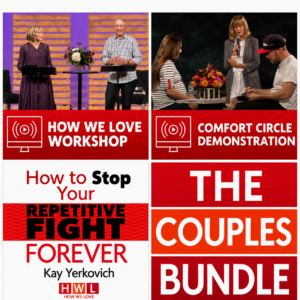
Couples Bundle ($149): A complete roadmap for understanding your attachment styles, practicing Comfort Circles, and building a more secure relationship.
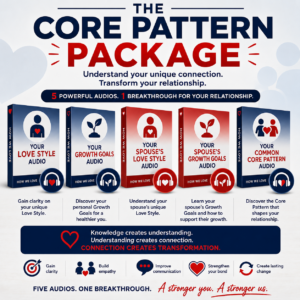
Core Pattern Package ($30): A practical introduction to identifying your relationship cycle and taking the first steps toward lasting change.
The cost of staying the same is too high. Take the first courageous step today!
 Thank You for Growing with Us
Thanks for being part of the How We Love community.
Keep learning, keep loving, and keep growing together.
With love and blessings,
Marc & Amy
Milan & Kay
Join over 100,000 people receiving our weekly relationship Insights directly to their Inbox.
Sign up using the form at the bottom of this page.