
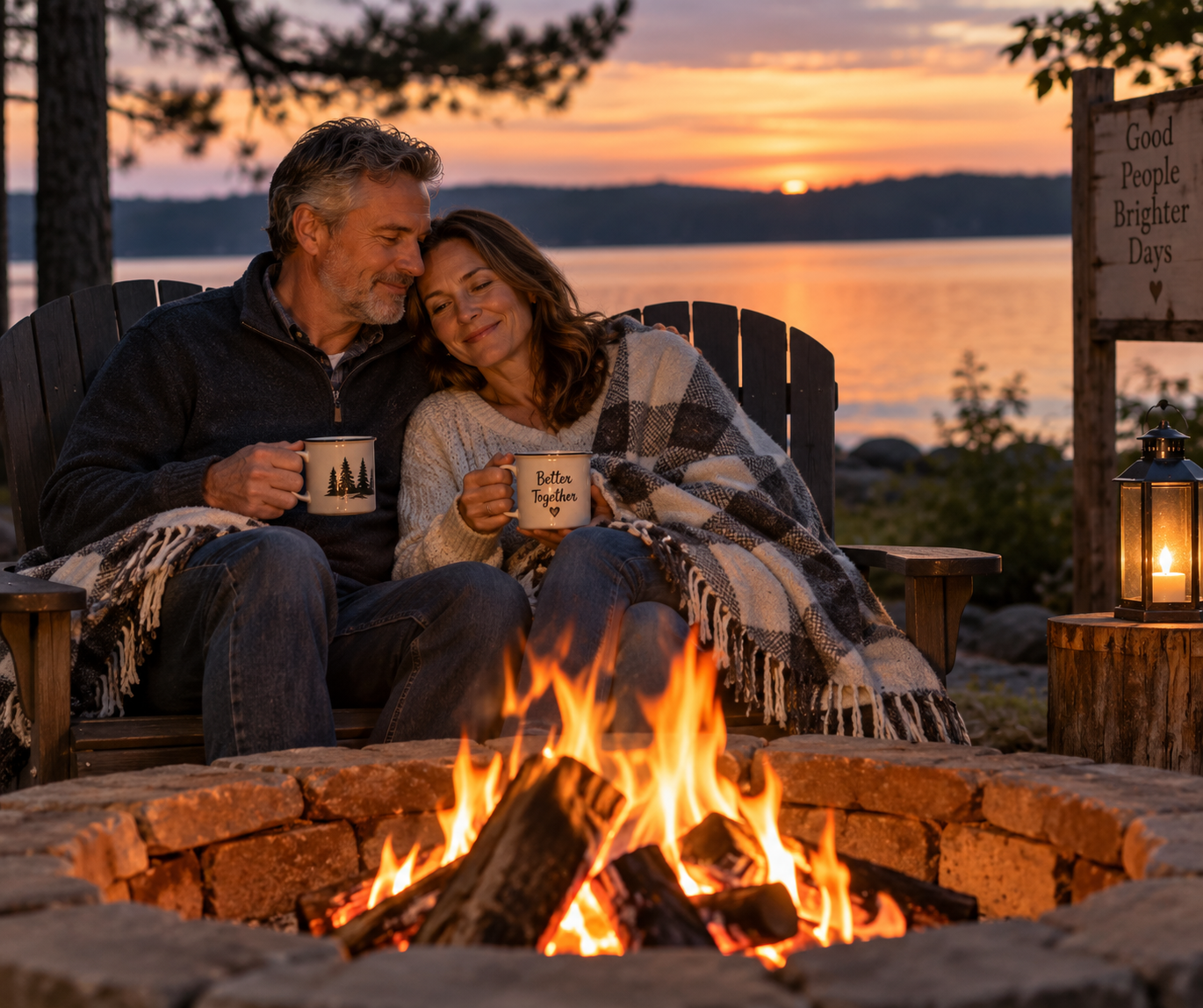
Have you ever looked forward to the weekend all week—only to have one small conflict derail the whole thing?
Sadly, for several years of our marriage, Amy and I had what I now call “The Weekend Conflict.”
It usually started over something trivial like one of the following. One of us thought the other should be doing something differently. Someone made a comment that felt critical. A tone was misinterpreted. An expectation went unmet.
The one who felt hurt would get upset and communicate their pain in a not so helpful way. Then the other would react, and before we knew it, we were in a conflict.
The worst part was we let it ruin the rest of the weekend.
We might sulk, withdraw, become cold, or keep our distance. What started as a minor thing on Saturday morning could still be hanging over us on Sunday night—or beyond.
At the time, we thought we were arguing about whatever had just happened. We didn’t realize that our love styles were playing a significant role in how we reacted to each other.
We were just repeating the ways we’d learned to manage pain in our families growing up.
John Bowlby, a British psychiatrist and psychoanalyst was the first person to identify attachment patterns when he was trying to understand the intense distress experienced by infants and young children who had been separated from their parents because of war or hospitalization. At that time, parents were often not allowed to stay with or regularly visit their hospitalized children.
Bowlby observed that children who were separated from their parents often went through three predictable phases: protest, despair, and detachment.
At first, they would protest. They might cry, call for their parents, refuse to eat or play, while they anxiously waited for their return.
When their parent didn’t come, protest could eventually turn to despair as the child became increasingly hopeless that the connection they desperately wanted was going to be restored.
Finally, some children moved toward detachment. They shut down, withdrew, and appeared to stop reaching for the connection they had originally wanted so badly.
Protest. Despair. Detachment.
Amy and I both came out of our childhoods with a Vacillator Love Style, which develops when connection with a caregiver is suddenly gone or inconsistent, and the child protests to be seen or understood. As adults, when connection with each other felt threatened, we followed that same familiar path.
First, we protested.
Our protest might sound like criticism, frustration, blame, or a complaint about what the other person was or wasn’t doing. Underneath it, though, was a much deeper longing: Do I matter to you? Do you care about what I need? Will you be there for me?
When our protest didn’t get us the response we hoped for, we moved toward despair. We felt deeply disappointed, misunderstood, or hopeless that the other person would ever really “get it.”
Then we detached.
We sulked. We withdrew. We stopped talking. We emotionally distanced ourselves from each other.
And there went the weekend!
There’s a saying I love:
“Fire has two elements: that of burning and that of shedding light.”
For years, we allowed the fire of our conflicts to burn us. But as we began understanding about our attachment styles, we learned that we could also use the fire to shed light.
Instead of only focusing on what the other person had done wrong, we began looking at what the conflict was revealing in us.
Why did that comment affect me so strongly?
Why did that disappointment feel so big?
Why am I protesting?
What am I really wanting from the other right now?
What old wound has been touched?
The conflict hadn’t created all those feelings. It had simply exposed something that was already there.
Only once we could see what was happening underneath our reactions, could we begin taking responsibility for our own triggers instead of blaming each other for them. The Comfort Circle helped us communicate our hurt in healthier ways and to learn to give each other the emotionally responsive connection that had often been missing in our childhoods.
In other words, the conflict that once caused more hurt could actually become an opportunity for healing.
Secure attachment doesn’t mean you stop getting triggered. It means you learn what to do when you are.
Amy and I still have our annoyances with one another, but today, we are much better at recognizing what is happening before the spark becomes a fire. We can more quickly own our reactions, soften our words, identify the childhood wound, and repair sooner—most of the time within a few minutes.
Proverbs 15:1 puts it beautifully:
“A gentle answer turns away wrath, but a harsh word stirs up anger.”
Sometimes the difference between a ten-minute disagreement and a ruined weekend isn’t whether conflict happens. It’s what we do next.
So, I wonder how many of you have your own version of The Weekend Conflict?
Maybe it isn’t always on the weekend, but there’s a predictable disagreement cycle that gets ignited over something small and ends up stealing hours—or even days—of connection.
The next time you feel that familiar spark, rather than only asking, “What did my spouse do wrong?” try asking another question:
“What is this conflict shedding light on in me?”
Because when we understand the wound underneath our reaction, conflict doesn’t have to burn down the weekend.
It can help us see the places where we still need to grow, heal, and learn to love each other better.
Have You Overcome Your Conflict Cycle?
Every couple will have a conflict cycle until they learn how to recognize and overcome it.
At How We Love, we call these predictable cycles between two attachment styles your Core Pattern. Your Core Pattern explains why the same arguments keep happening, why seemingly small things can produce such big reactions, and why you can end up feeling disconnected when what you really wanted was to feel closer. The good news is that you don’t have to keep repeating it.
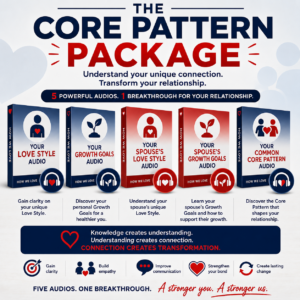
Our Core Pattern Package for just $30 will help you and your spouse identify your individual Love Styles, recognize the Core Pattern the two of you create together, and understand the Growth Goals that will help each of you move toward greater security. Instead of asking, “Who started it?” or “Who is the problem?” you can begin recognizing the core pattern as the problem—and learn how to work together to change it.
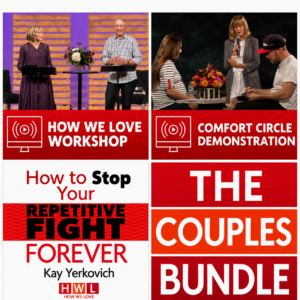
And if you’re ready to go even deeper, our Couple’s Bundle for just $149 gives you a more comprehensive How We Love experience. You’ll learn how your childhood experiences continue to influence your marriage today, why you react differently when connection feels threatened, and practical tools for communicating, resolving conflict, and building a safer, more secure bond. It’s 14 hours of content for less than the cost of one therapy session!
 Thank You for Growing with Us
Thanks for being part of the How We Love community.
Keep learning, keep loving, and keep growing together.
With love and blessings,
Marc & Amy
Milan & Kay
Join over 100,000 people receiving our weekly relationship Insights directly to their Inbox.
Sign up using the form at the bottom of this page.