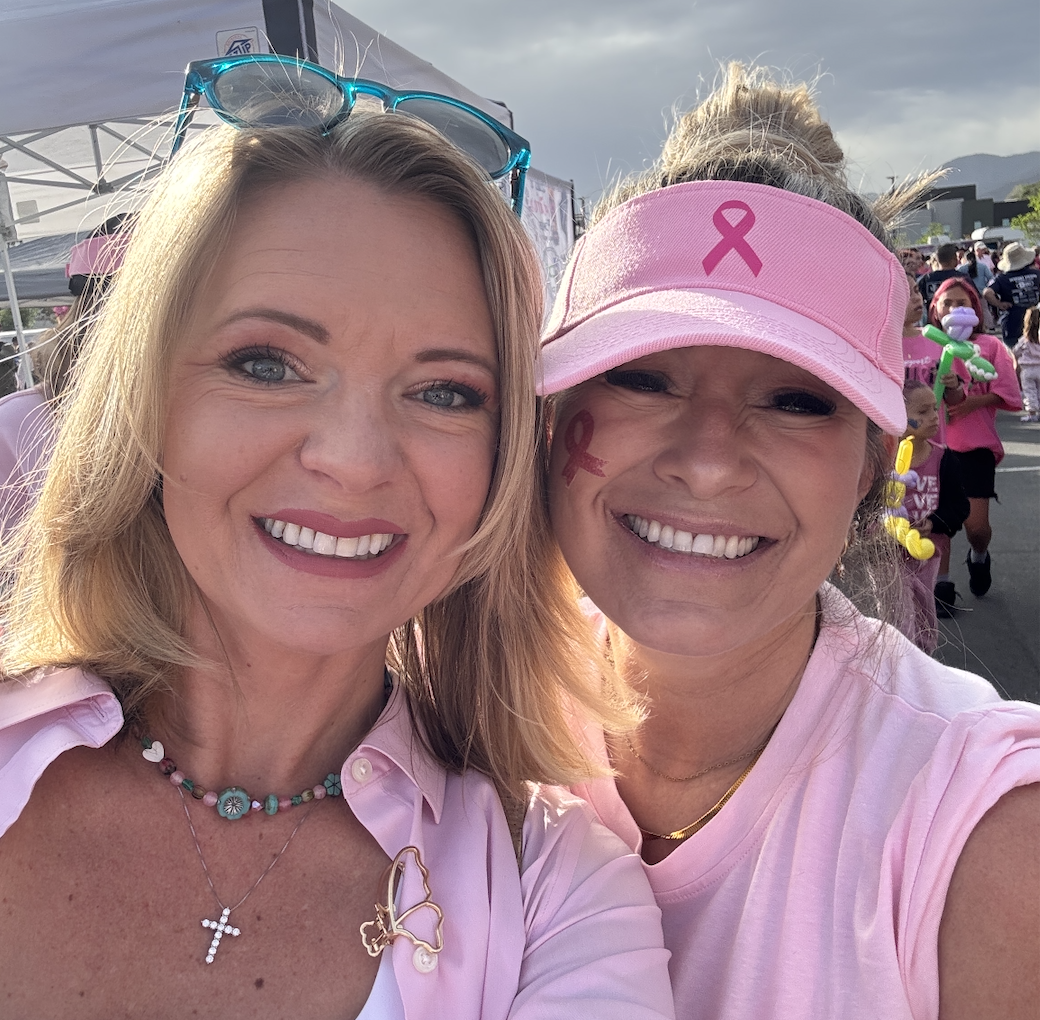
October is Breast Cancer Awareness Month, when we encourage women to get their mammograms because early detection can lead to better outcomes. But as a breast cancer survivor myself, I want to shine a light on another part of the cancer journey that isn’t talked about nearly enough.
Cancer doesn’t just affect our bodies. It can affect our identity, emotions, sexuality, body image, sense of safety, and even our marriages.
Just last week, I was disheartened to read a post in my private breast cancer support group:
“Is anyone else’s marriage crumbling?”
That question broke my heart because I know how easily a cancer diagnosis can activate some of our deepest attachment wounds.
When we’re afraid, hurting, or overwhelmed, we can become especially sensitive to feeling misunderstood, unseen, rejected, or alone. And sometimes, the very person we need comfort from becomes the person we push away.
Suddenly, we’re not just battling cancer. We’re also struggling with the emotional pain of feeling disconnected from the person we need most.
One of the hardest lessons I’ve learned as a recovering Vacillator is that we often expect the people we love to simply know what we’re experiencing.
But our husbands haven’t lived in our bodies. They may not understand the physical pain of the surgery, what it’s like to look in the mirror and struggle with body image, or navigate the fear and complicated emotions surrounding intimacy.
And when they don’t understand, it’s easy to interpret their lack of understanding as a lack of caring.
Sometimes, what we need most is a hug. But we may not know how to ask for it.
After one of my surgeries, I found myself pushing Marc away when, underneath it all, I desperately needed comfort.
Eventually, I was able to circle back and say:
“I need a hug me—but this is how I need you to hold me.”
That conversation made a difference.
And here’s what struck me:
None of my medical appointments taught me how to have that conversation.
The pain medication I received could help with my physical pain, but it couldn’t soothe my emotional pain.
We can’t expect people who haven’t walked through our experience to fully understand what it feels like.
That doesn’t mean they don’t love us or care deeply about what we’re going through. They simply don’t have the same frame of reference.
Expecting Marc to understand everything I was experiencing wasn’t fair to him or helpful to me. He could listen, empathize, and comfort me, but there were parts of my journey he couldn’t fully know like I did, because he had not had the physical experience.
And that’s why finding people who have walked a similar road is so important.
I found tremendous comfort and support through my Support Sisterz breast cancer survivors’ group. These women were strangers at first, but they did know from experience many of the same challenges I was facing.
There was something incredibly reassuring about talking with others who understood without needing a lengthy explanation. They could validate feelings and experiences that others, despite their best intentions, simply couldn’t fully comprehend.
Sometimes, just hearing someone say, “I know exactly what you mean. I’ve felt that way too,” can bring tremendous comfort and validation.
We need people who love us, but we also need people who understand us. And sometimes those aren’t the same people.
If you’re walking through cancer, grief, major illness, or another life-changing experience, I encourage you to find a support group or community of people who have traveled a similar road.
Don’t place the entire responsibility for your emotional support on your spouse or closest loved ones. Allow others to come alongside you, too.
And remember, not being fully understood doesn’t mean you’re not deeply loved.
Sometimes the most healing words aren’t, “I know how to fix this.”
They’re simply:
“I’m here. I see you. You’re not alone.”
For everything cancer has taken from me, I’ll forever be grateful for the support group I’ve found.
We can’t always change what life brings our way, but we can learn how to face it together.
With love,
Amy
When Life Gets Hard, We Need a Safe Place to Land
Some of the most meaningful growth happens when we’re willing to be vulnerable, share our experiences, and learn alongside others.
Whether you’re married and want to grow alongside your spouse and other couples, or you’re single and want to better understand your attachment patterns, you don’t have to do this work alone.
We regularly hear from people across the country looking for a How We Love small group in their area.
But what if you were brave enough to start one yourself?
Consider inviting a few friends or posting in a trusted church or community group forum. You might be surprised how many people are longing for the same kind of connection.
We’ve made it easy to get started!
Our How We Love Small Group Bundle includes everything you need for up to 10 people to complete our nine-week study, saving you more than $60!
- 2 Church Small Group Study Leader Guides
- 8 Church Small Group Study Participant Guides
- 3 months of video access
Just $199—that’s less than $20 per person for nine weeks of growing together!
You never know what friendships, healing, and deeper connections might come from taking that first step.
Don’t wait for someone else to start the group you’re looking for. Be the one who brings people together!
 Thank You for Growing with Us
Thanks for being part of the How We Love community.
Keep learning, keep loving, and keep growing together.
With love and blessings,
Marc & Amy
Milan & Kay
Join over 100,000 people receiving our weekly relationship Insights directly to their Inbox.
Sign up using the form at the bottom of this page.