One of the most important aspects of emotional maturity is recognizing that our feelings, while very real, tell us something about what’s happening inside us. But they’re not always giving us an accurate interpretation of what’s happening around us.
What do I mean?
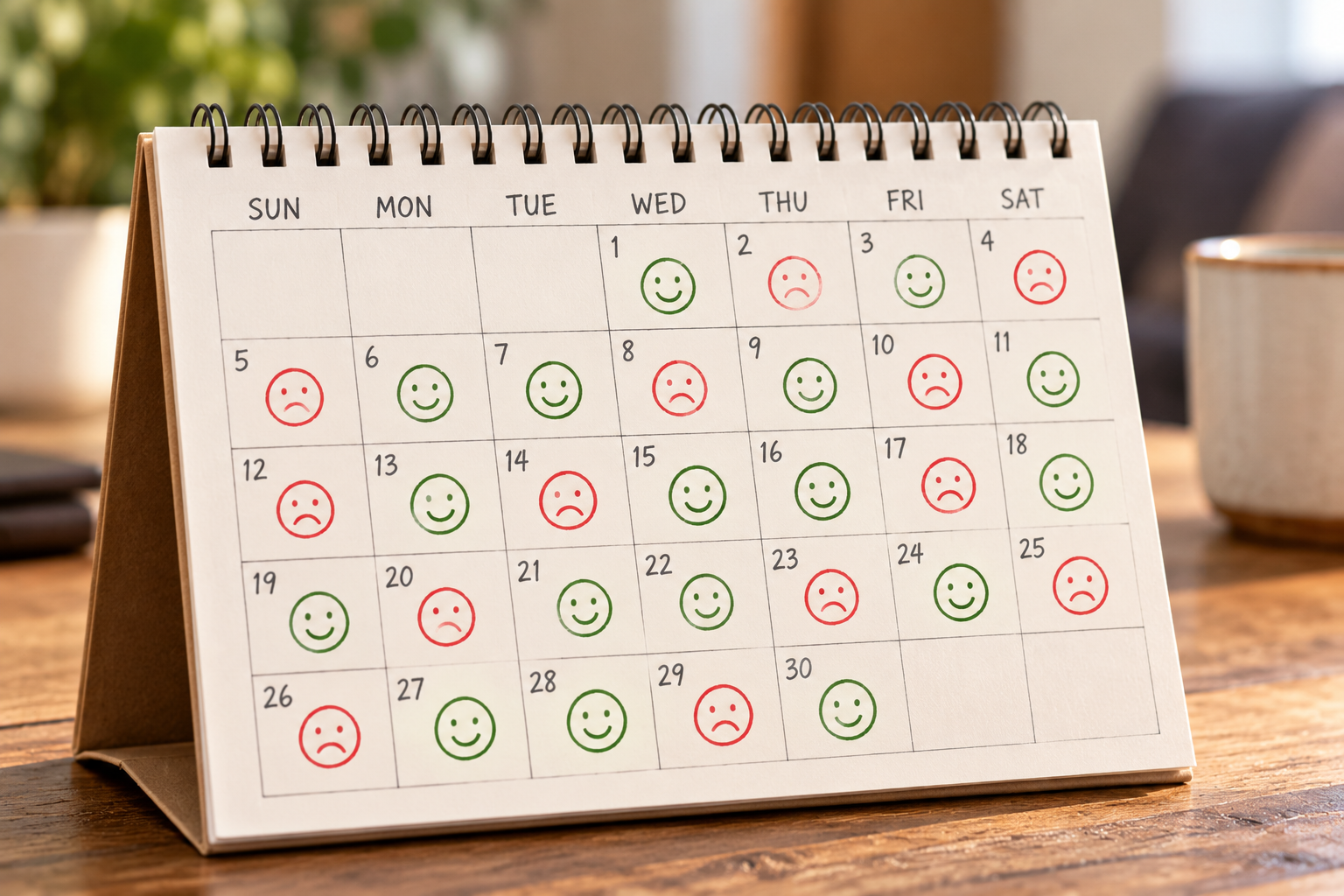
Just because you feel rejected doesn’t necessarily mean someone is rejecting you.
Just because you feel abandoned doesn’t mean someone is abandoning you.
Let me give you a personal example.
Several years ago, over New Year’s weekend, Amy and I took my mom, who was visiting from England, to Pasadena to see the Rose Parade floats. If you’ve never done that, you can walk around and see the floats up close for several days after the parade.
Well, apparently, thousands of other people had the same idea because it was packed!
At one point, I told Amy and my mom I needed to quickly use the portable restroom.
I was just two minutes, but when I came out, they were gone.
Initially, I didn’t think much of it. I assumed maybe they’d gone to use the restroom themselves. So, I waited.
But after more than a few minutes, I started looking around, and I couldn’t find them anywhere.
I called Amy. Her phone was off. I tried a few more times. Same thing.
And suddenly, I began to feel something that really surprised me: confusion and panic.
Now, I’m a grown man in my 40s. I’m perfectly capable of finding my way around Pasadena! But emotionally, something much bigger was happening inside me.
As it turned out, Amy and my mom had simply continued walking, assuming I’d catch up with them. Amy hadn’t realized her phone was off, and it took about ten minutes before we finally connected.
But those ten minutes felt much longer to me.
And afterward, I started asking myself, “Why did I react so strongly to that?”
As I thought about it, I remembered something that happened when I was about five years old.
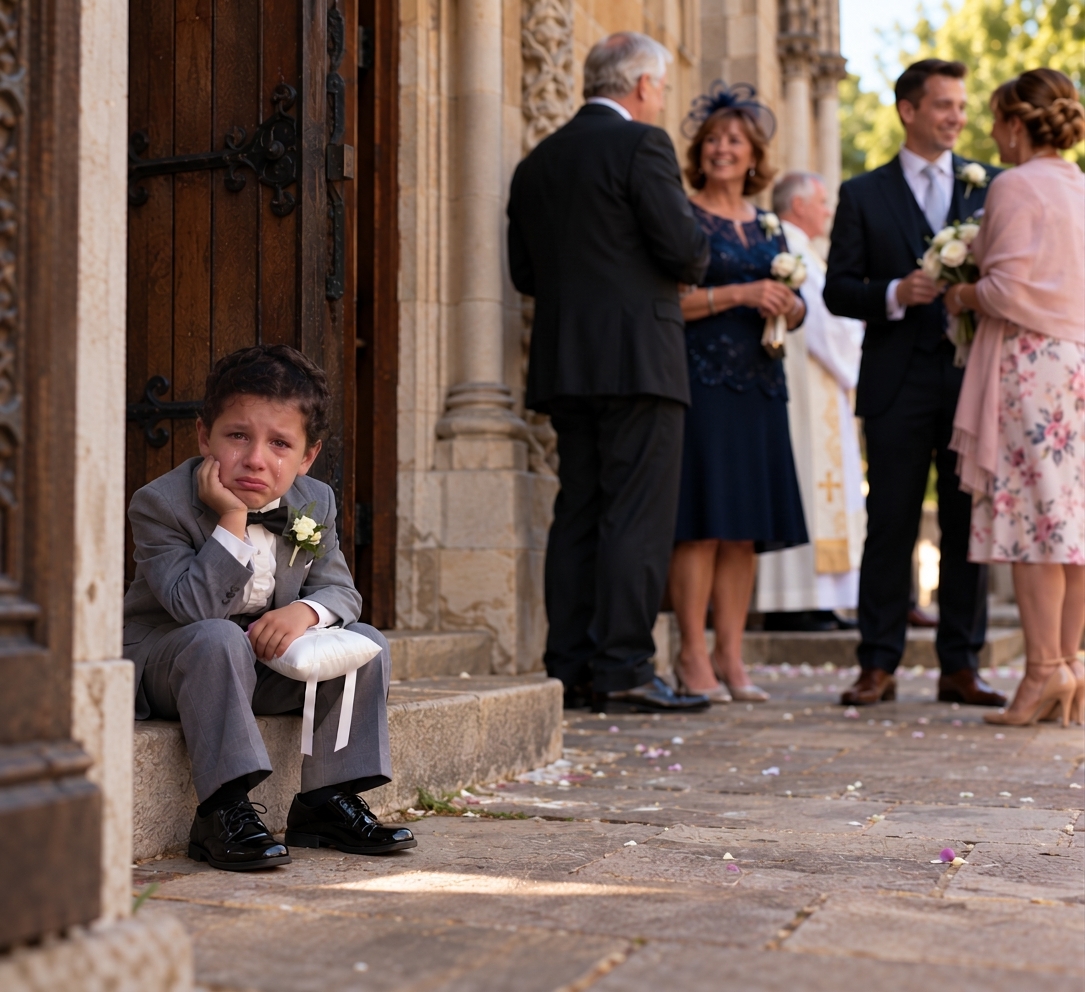
I’d been chosen to be the ring bearer in a wedding. After the ceremony, I was supposed to ride in the limousine with the bride and groom to the reception.
But in all their excitement, they forgot about me and left.
Meanwhile, my parents and the rest of my family had already gone ahead to the reception assuming they’d find me there.
So, there I was. Five years old. Standing outside a church, watching everyone leave until there was just a few people left.
Eventually, someone noticed this little boy standing there without his parents looking upset. They took me to the reception, where I was reunited with my family.
But in those moments, I remember panicking, feeling confused and all alone.
And here’s what I realized all those years later.
My brain had made an association.
Back to Pasadena. There I was again, surrounded by a crowd of strangers, unable to find my mom.
Only this time, I wasn’t five years old. I was 45!
Yet my nervous system was reacting as though I were that frightened little boy again.
You see, our brains work by association. When something in the present reminds us of an unresolved painful experience from the past, the threat center in your brain says, “Uh-oh! It’s happening again!”
It then sounds your emotional alarm system putting you into fight, flight, or freeze.
And this often happen so fast, you don’t even realize that’s what’s happening.
In fact, as I began connecting the dots, I realized this had been happening throughout my entire life.
I could feel abandoned when I’d wake up on a Saturday morning and Amy and the kids had left the house to go to a garage sale.
Now, was I actually being abandoned?
Of course not! They had just let me sleep in.
But the feeling was very real.
And this brings me to something I tell people in therapy:
Don’t confuse the occasion of your reactivity with the cause of your reactivity.
The occasion is the situation that’s happening today, but the cause of your emotional reactivity may have much more to do with your past.
That’s what’s called a trigger.
And when we’re triggered, we can easily mistake our feelings for facts.
We might say, “You abandoned me!” when what we really mean is, “I felt abandoned when you left.”
One is an accusation. The other is an acknowledgment of what’s happening inside us.
Your feelings aren’t liars as some might say. They can be good indicators of what’s still needing healing, but not necessarily good dictators of what you should do.
Emotional maturity is learning to recognize our feelings without automatically treating them as facts.
So, the next time you have a strong emotional reaction, ask yourself, “Is this really about what’s happening right now, or is something from my past being stirred up?”
Because the person in front of you may not be the person who originally hurt you.
And learning that difference can transform how you heal, communicate, and connect with others.
What’s Your Root Story?
Behind every emotional trigger is a story, often rooted in experiences long before your relationship began. When couples learn to understand each other’s stories, they begin to see beyond the reactions and recognize the deeper feelings, fears, and unmet needs underneath.
The Comfort Circle teaches you how to listen to each other’s root stories with empathy, creating the safety and understanding necessary for deeper intimacy.
Our Couples Bundle brings together the Comfort Circle and other essential How We Love resources to help you break unhealthy patterns and build the emotional safety that leads to deeper intimacy—all for less than the cost of one private-pay therapy session!
Don’t just learn to manage your arguments. Learn to understand the stories behind them and build the secure connection you’ve been longing for.
 Thank You for Growing with Us
Thanks for being part of the How We Love community.
Keep learning, keep loving, and keep growing together.
With love and blessings,
Marc & Amy
Milan & Kay
Join over 100,000 people receiving our weekly relationship Insights directly to their Inbox.
Sign up using the form at the bottom of this page.