
Let’s talk about something that often gets overlooked in relationships—but shapes how connected you feel to another person: Having fun together.
When most couples think about improving their relationship, they focus on communication, conflict, or emotional needs. And those things matter.
But here’s what often gets missed—many couples have conflict problems because they also have a fun deficit.
Somewhere along the way, as responsibilities increase, play often gets pushed to the back burner.
Schedules fill up. Stress increases. And conversations begin to revolve around logistics, finances, or how to solve our latest problem.
Not because you don’t care about each other—but because you’ve lost the shared experiences that create joy, lightness, and connection.
Then without realizing it, the relationship starts to feel heavy. And because you’re not laughing together, interactions are more likely to be interpreted through a negative lens.
Fun isn’t a luxury in a relationship though—It’s part of the bonding glue.
It builds positive emotional experiences that help you feel drawn toward one other. It creates the memories that remind you why you enjoy being together. And it gives your relationship resilience—so when hard moments come, they don’t define everything.
Think about the early days of your relationship.
There was curiosity. Laughter came easier and time together felt energizing.
That wasn’t accidental—it was intentional, even if you didn’t realize it at the time.
So, what changed?
For many couples, fun becomes conditional and they think: “I’ll feel like having fun when we’re getting along better.”
But here’s the truth—waiting to feel better before creating fun often keeps couples stuck.
Before I was a therapist, I worked in the corporate world. The company I most enjoyed working for had “Fun” as one of their core values—and they made sure management on every level regularly scheduled in fun activities for all groups of employees.
Fun isn’t always spontaneous. Like most things in life, learning to be more fun can be practiced.
And it often starts small.
- It might look like:
- Trying a cooking class together or a taking dance lesson, even if it feels a little awkward
- Reintroducing humor into everyday moments by buying a joke book
- Being willing to be a little more playful, even if it’s not your default
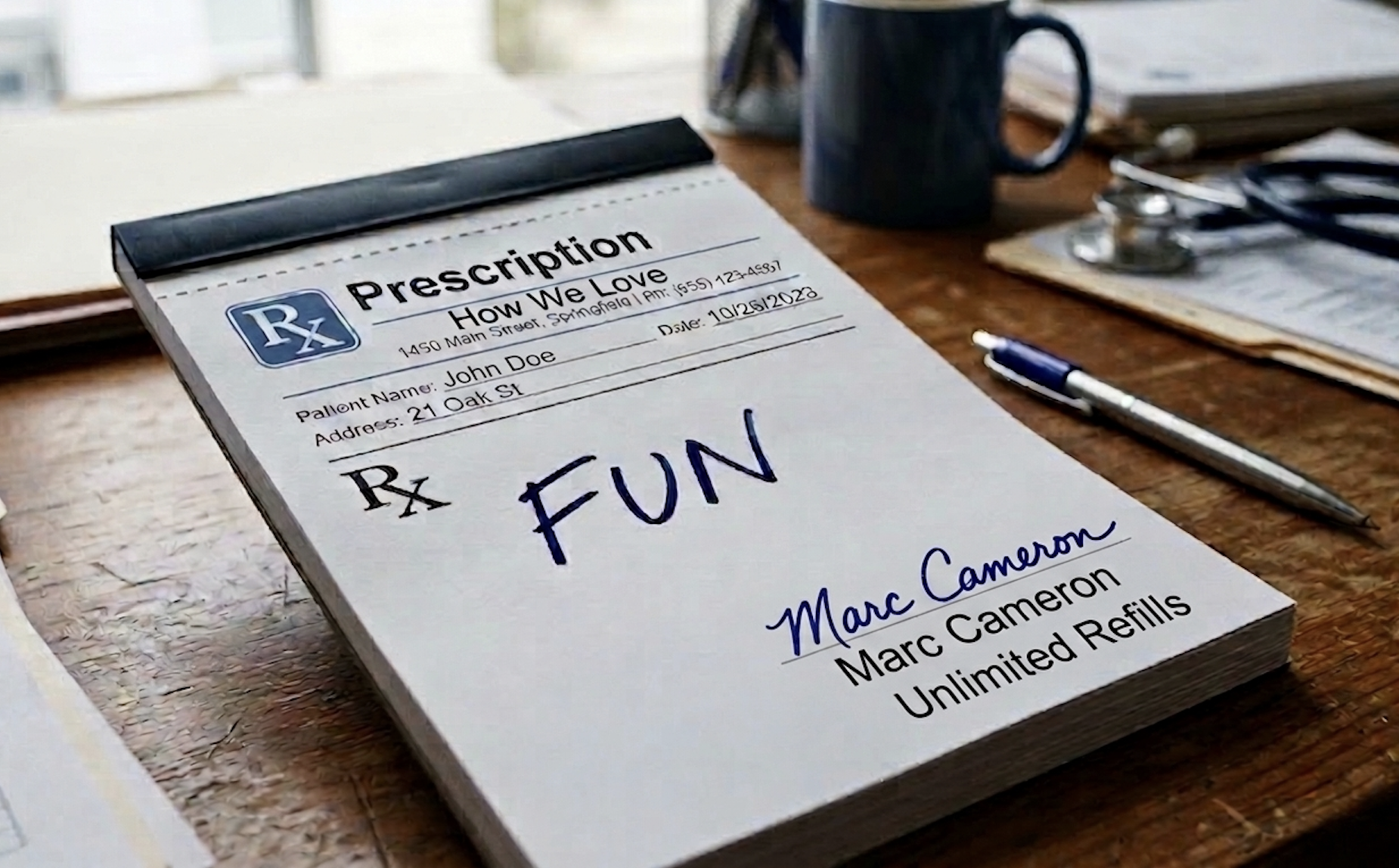
A couple of weeks ago I prescribed a couple to have a pillow fight… I’ll see this week if they actually did it. They don’t know this yet, but if they didn’t, I’m going to make them have a pillow fight in the office.
If you didn’t grow up in an environment where play, lightness, or laughter were modeled, fun can feel unfamiliar—or even uncomfortable.
You might default to seriousness or productivity. But learning to have fun is part of growth.
It expands your capacity—not just for joy, but for connection.
And here’s something important: fun doesn’t mean avoiding real issues.
It means you’re not letting your relationship become defined only by them.
Because when a relationship has both—depth and lightness—it becomes more sustainable.
So, this week, consider: When was the last time we intentionally did something fun together?
If it’s been a while, see it as an invitation to intentionally create some moments of shared joy again.
Because a healthy relationship isn’t just one that resolves conflict well.
It’s one where you create moments to like being together.
How Insecure Attachment Styles Can Sabotage Fun & Connection
Avoiders often believe responsibilities should always come before fun, rather than recognizing that fun can actually create the energy needed to engage responsibilities.
Vacillators tend to believe fun should happen organically, and may reject intentional efforts as inauthentic, especially as they navigate internal ambivalence.
Pleasers may feel too anxious to initiate fun if they sense others are upset.
Explore the growth goals for each attachment style to learn how you can move toward greater connection—Each one is less than the cost of lunch!
And if you want to learn how to create an environment of fun for your children, How We Love Our Kids includes a chapter, “The Gift of Laughter,” that offers practical ways to teach play in relationships
 Thank You for Growing with Us
Thanks for being part of the How We Love community.
Keep learning, keep loving, and keep growing together.
With love and blessings,
Marc & Amy
Milan & Kay
Join over 100,000 people receiving our weekly relationship Insights directly to their Inbox.
Sign up using the form at the bottom of this page.