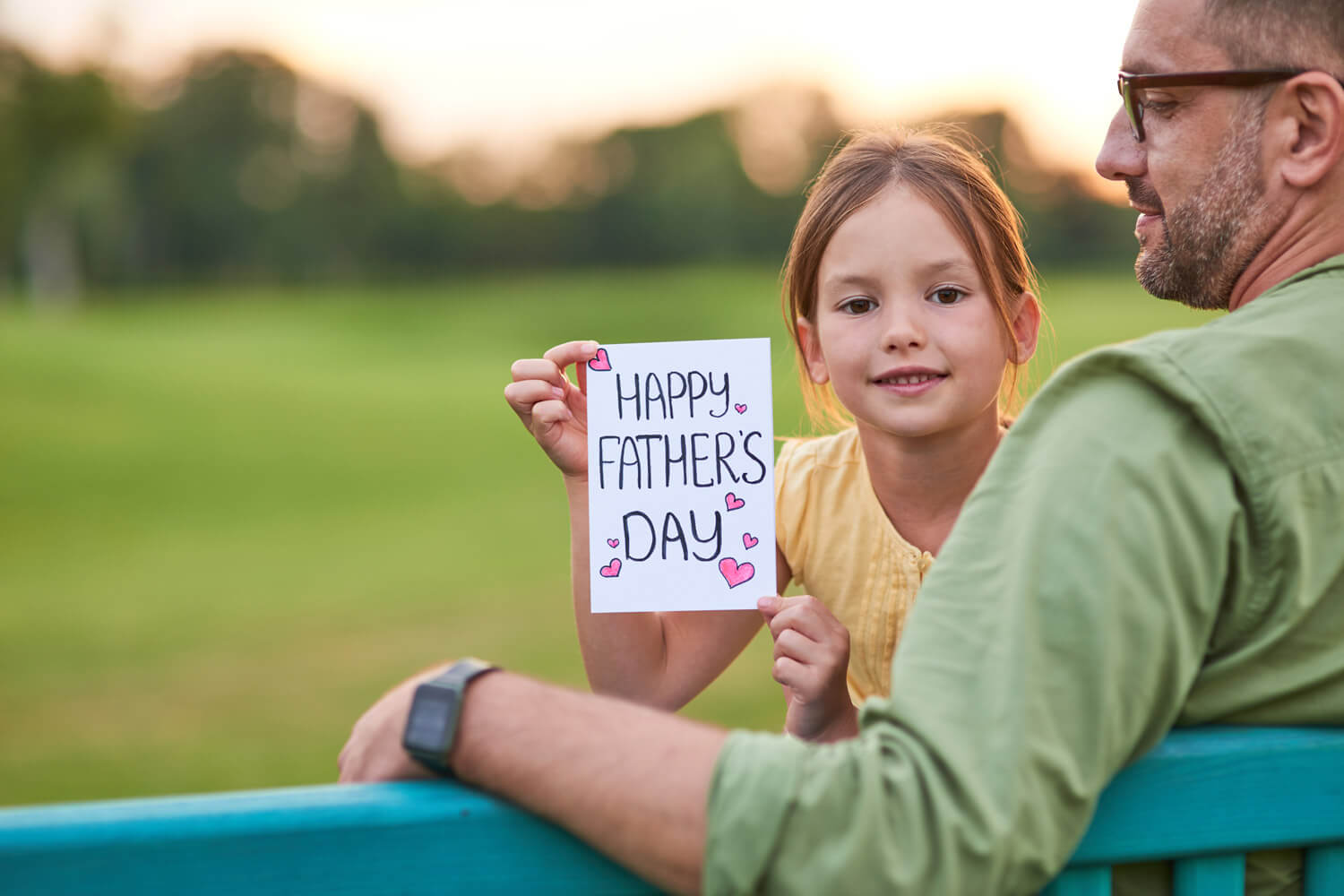
Sunday was Father’s Day—and while many fathers were deservedly celebrated, I’m also aware not everyone has cause for celebration, or even a father to celebrate with.
In our home, this day carries a mix of joy and sorrow. Amy and I both were single parents when we met, each with the full-time responsibility of our respective children—me with my son, Carter, and Amy with her daughter, Kaytlin. They were both 7 years old when we got married. While Carter’s mother was not in his life at all growing up, Kaytlin’s father was sporadically in hers. Her last connection was right before her high school graduation. He was supposed to show up and never did. Neither she, nor his family, have heard from him in over two years. At 20 years old, she still occasionally asks, “Do you think my dad is alive?” His sudden absence has left her with a lot of questions she now has to process in adulthood.
I’ve always had a challenging relationship with my father, who is high-functioning on the autism spectrum. We didn’t speak for 20 years after he left my mother in dramatic fashion—having an affair, draining the bank account, and taking out loans for her to repay. We speak again now, but it’s limited.
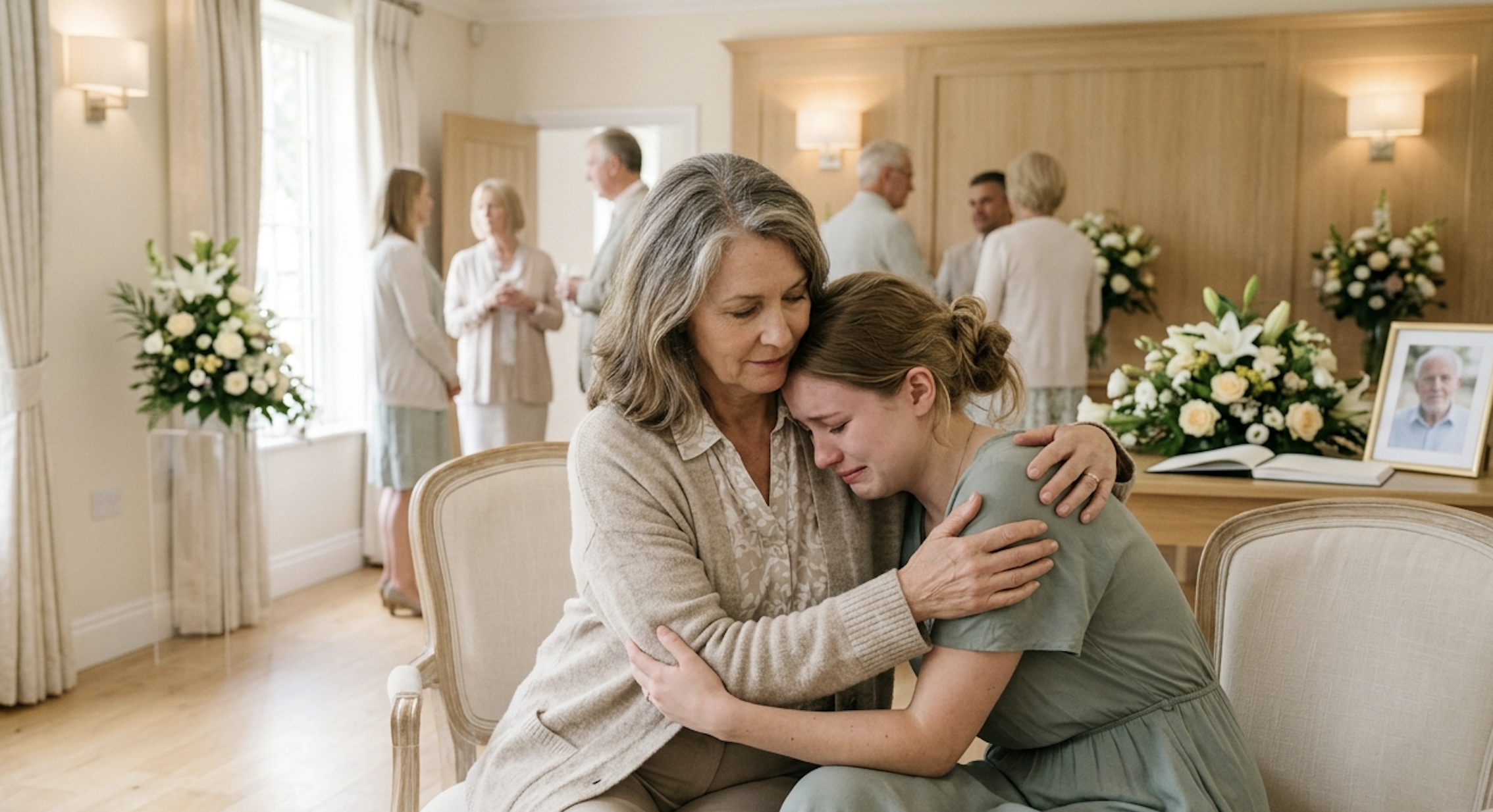
Amy’s story is even sadder. Her father committed suicide—on Father’s Day—when she was just 7 years old. Her mom mentally checked out after that, and no one helped her make sense of what happened. She’s had to do a lot of internal work as an adult to identify and understand how this has impacted her—and I’m so proud of the growth she’s done. Let me share a quick story…
About a year ago, our next-door neighbors—who were usually very chatty—suddenly seemed uninterested in making casual conversation when we saw them. In fact, the husband started to completely ignore us. When we waved, he would look away, or if we said hi to him he didn’t acknowledge us at all.
It was so strange that we checked with some other neighbors we know they are close with, and learned the wife had been diagnosed with terminal cancer, but in their grief, they didn’t want to talk about it. After she passed a few months later, we sent flowers and received a short thank-you note—likely written by one of their adult kids—but the awkward distancing and ignoring has continued.
This Sunday morning, Amy saw him outside and decided to give it another go. “Happy Father’s Day Mike!”Seeming to catch him off guard, he looked up and said thank you, so she continued. “My dad’s name was Mike too. He committed suicide on Father’s Day when I was 7. I also, had cancer last year. We are so sorry Susie died. I’m sure that been really hard.”
He replied, “It is hard. Susie and I met at 17 and were married over 50 years. I never imagined I’d have to bury her.” The conversation was brief, but I believe Amy’s connecting with his pain mattered.
Amy came inside and told me, “I realized I had all kinds of emotions tied up with him. He’s close to the age my dad would’ve been. They share the same name. And when he suddenly stopped talking to me, I wondered what I did wrong. All the same feelings I had when my dad died.”
I comforted her and asked her how she felt each Father’s Day. “It feels like a dead end,” she replied.
If You Have a Parent Wound—You're Not Alone
Many people are still carrying their parent wounds. And sadly, many parents nowadays send their kids for the therapy they should be receiving.
If you have a parent wound, or if you know you have hurt your own children, it’s not too late to start to heal or repair. Even if they are now adults.
We have many resources to help you.
👨👩👦 Check out our Parenting Bundle. It’s packed with practical insight for healing and raising emotionally healthy kids including our 6-hour parenting workshop we recently recorded.
🫶 If you’re married, check out our Couple’s Bundle, because healing your relationship creates the stable foundation your kids need.
🌱 And, if you are a single-parent, divorced, or recovering from your own parent wound, our Single’s Bundle offers the tools and support you need to move forward with clarity and hope.
Each of these bundles are only about the cost of a single private therapy session with many hours of content!
In therapy, I’ve heard so many stories of parents expressing regret at the end of their lives.
Whatever side of the pain you’re on—as a parent or as a person with a parent wound—choose healing now.
I’ve never heard of someone regretting that!
🙌 Thank You for Growing with Us
Thanks for being part of the How We Love community.
Keep learning, keep loving, and keep growing together.
With love and blessings,
Marc & Amy
Milan & Kay