Marc is a Licensed Marriage and Family Therapist with a particular passion for working with couples. He believes that through the development of secure attachments, couples can create stronger, more fulfilling relationships. Marc teaches couples how to learn to communicate more effectively and build trust and connection with one another by empowering them to take the primary responsibility for growth in their own lives. He does this through a warm and motivational approach to help people gain insight into the unseen forces that drive their behaviors so they can take steps to implement sustained growth. Marc is certified in EMDR therapy, an evidenced based practice for treating PTSD and trauma and is a regular co-host on New Life Live!, America’s #1 Christian counseling call-in radio program. He was born and raised in London, England and came to the USA in 2000.
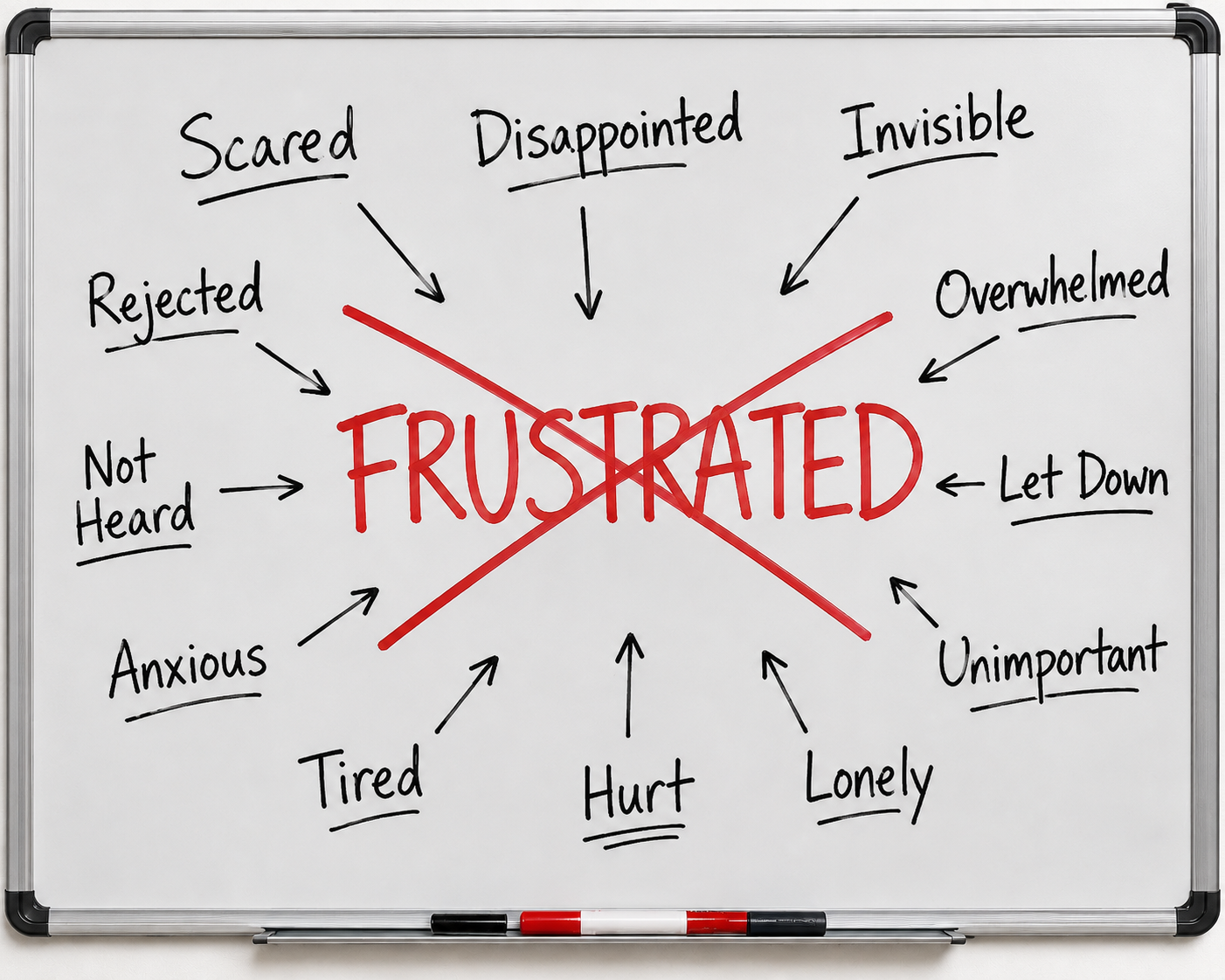
When you get upset is your default response to tell the other person that you’re feeling “frustrated”?
Last week, in one of my therapy sessions the husband (recovering Pleaser) shared with his wife (recovering Vacillator) that he’s confused what she needs from him when she’s upset.
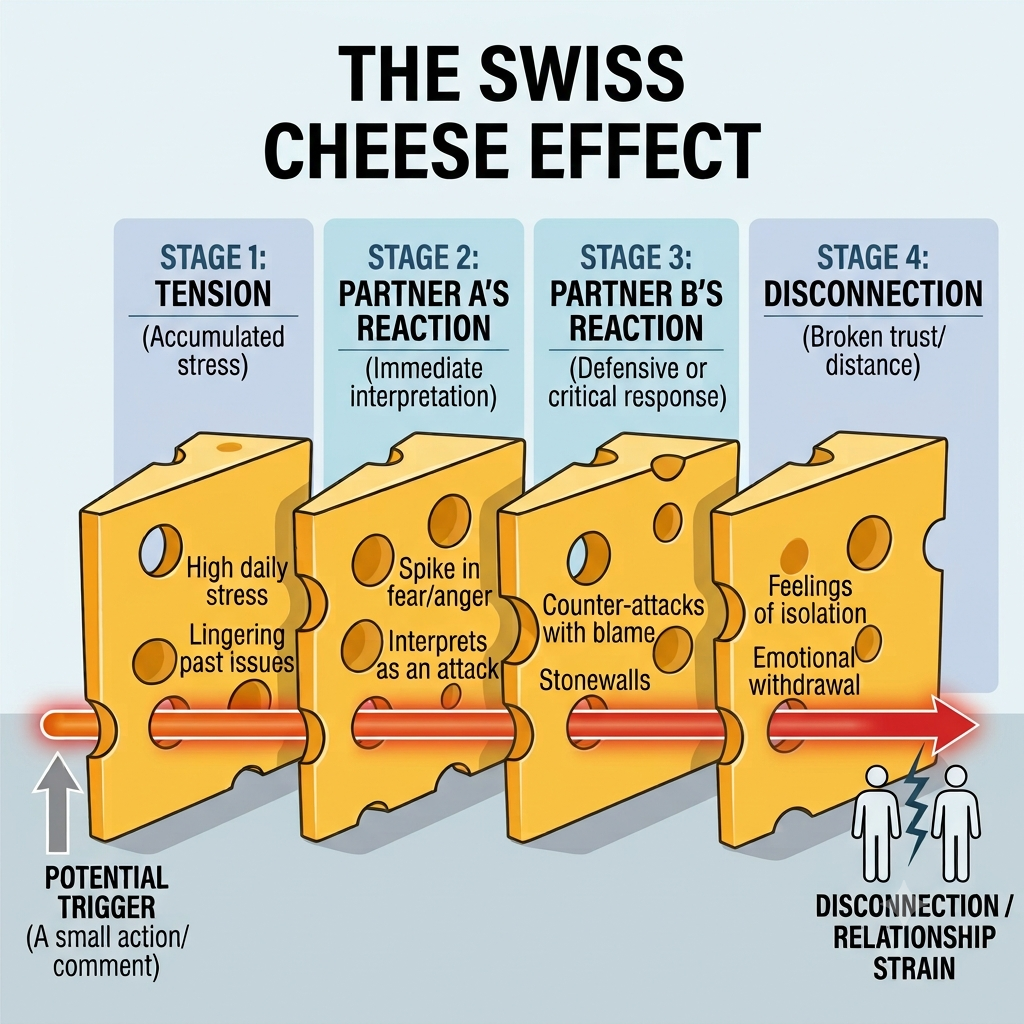
There’s a concept in risk-management called the “Swiss cheese effect.” Each slice of cheese represents a layer of protection. The holes represent vulnerabilities. Catastrophe happens when the holes in multiple layers suddenly align at the wrong time and something falls through without being caught.
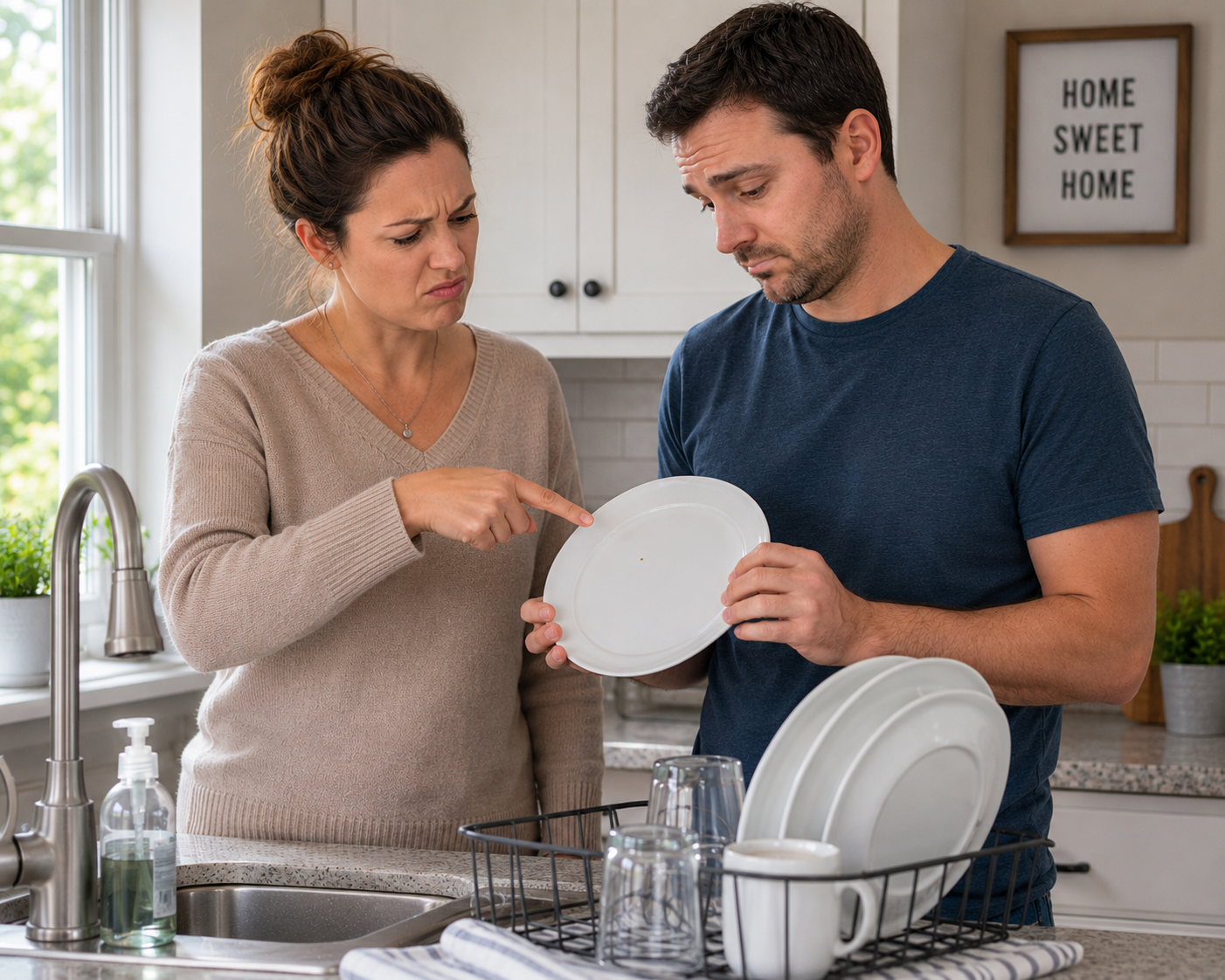
Relationships often work the same way.
Last summer, Amy and I took a trip to England, and I invited her to literally take a walk down my memory lane. We went back to the neighborhood in London where I grew up, which I hadn’t been back to in almost 30 years.
It was a surreal experience.
Last weekend, and over the last couple of weeks, Marc and I have enjoyed spending time and sharing food with neighbors, many of whom are from different countries.
We’ve been taking turns hosting “watch” parties for the World Cup games.
One thing I love is hearing people’s stories.
Last Sunday was Father’s Day. While many celebrated their fathers, for some it was a painful reminder of a relationship that is strained, absent, or estranged.
More people today find themselves estranged from family because of unresolved conflicts. The truth is most people who estrange themselves from loved ones don’t actually want to be estranged.
Last Sunday was Father’s Day. While many celebrated their fathers, for some it was a painful reminder of a relationship that is strained, absent, or estranged.
More people today find themselves estranged from family because of unresolved conflicts. The truth is most people who estrange themselves from loved ones don’t actually want to be estranged.
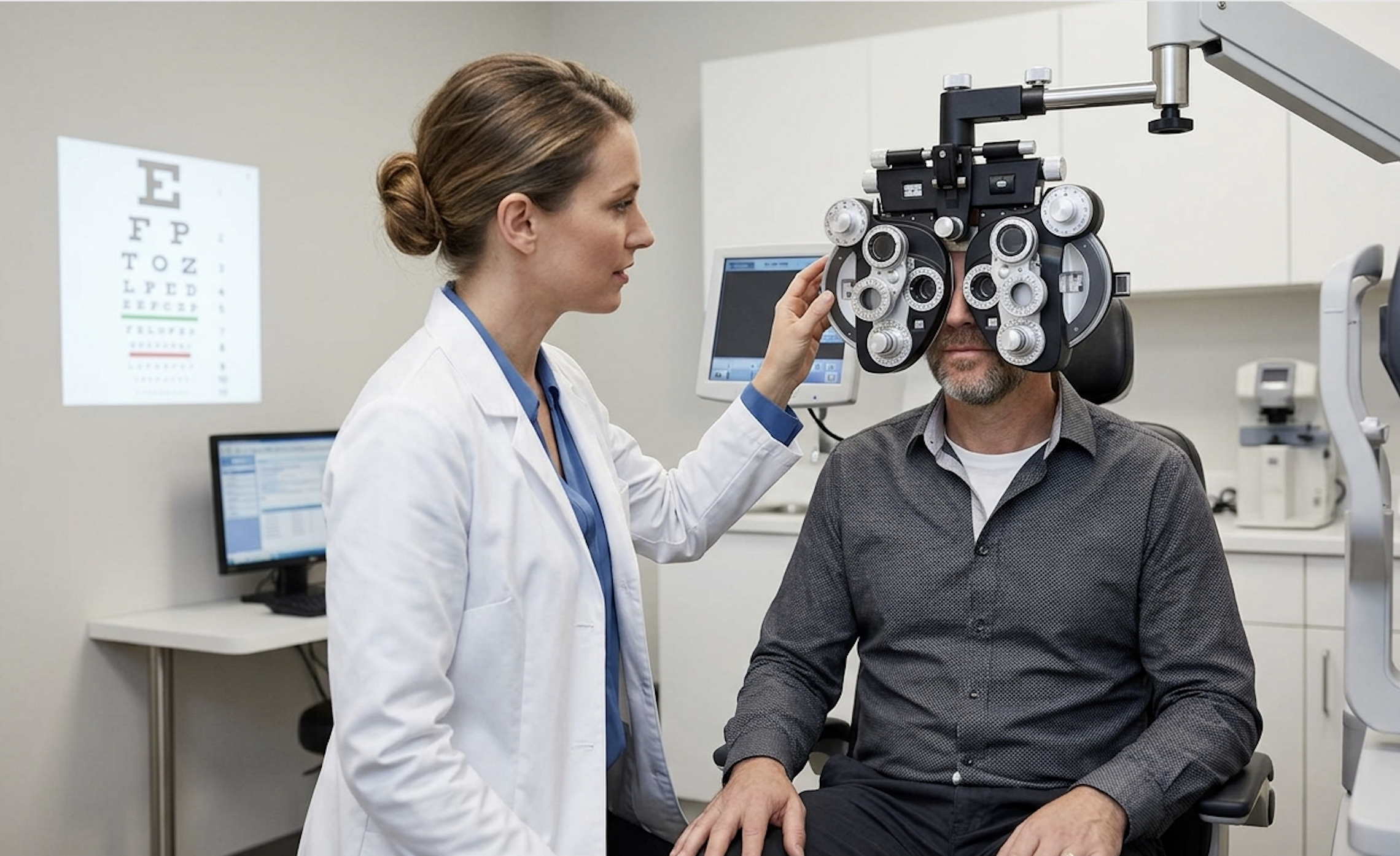
Last week I went for my first eye exam in years. My close vision is still pretty good, but I’ve started noticing that reading small text at a distance is getting harder.
The eye doctor told me that’s completely normal. She said everyone’s eyesight changes with age.
People-Pleasers are some of the nicest people I know. They’re positive, generous, and often a lot of fun. They’ll let you go first, take the bigger portion, and pick where to go and what to do.
Pleasers are experts at finding the path of least resistance. They work hard to keep everyone happy, avoid conflict, and smooth things over. So, isn’t this the type of partner we should all want?
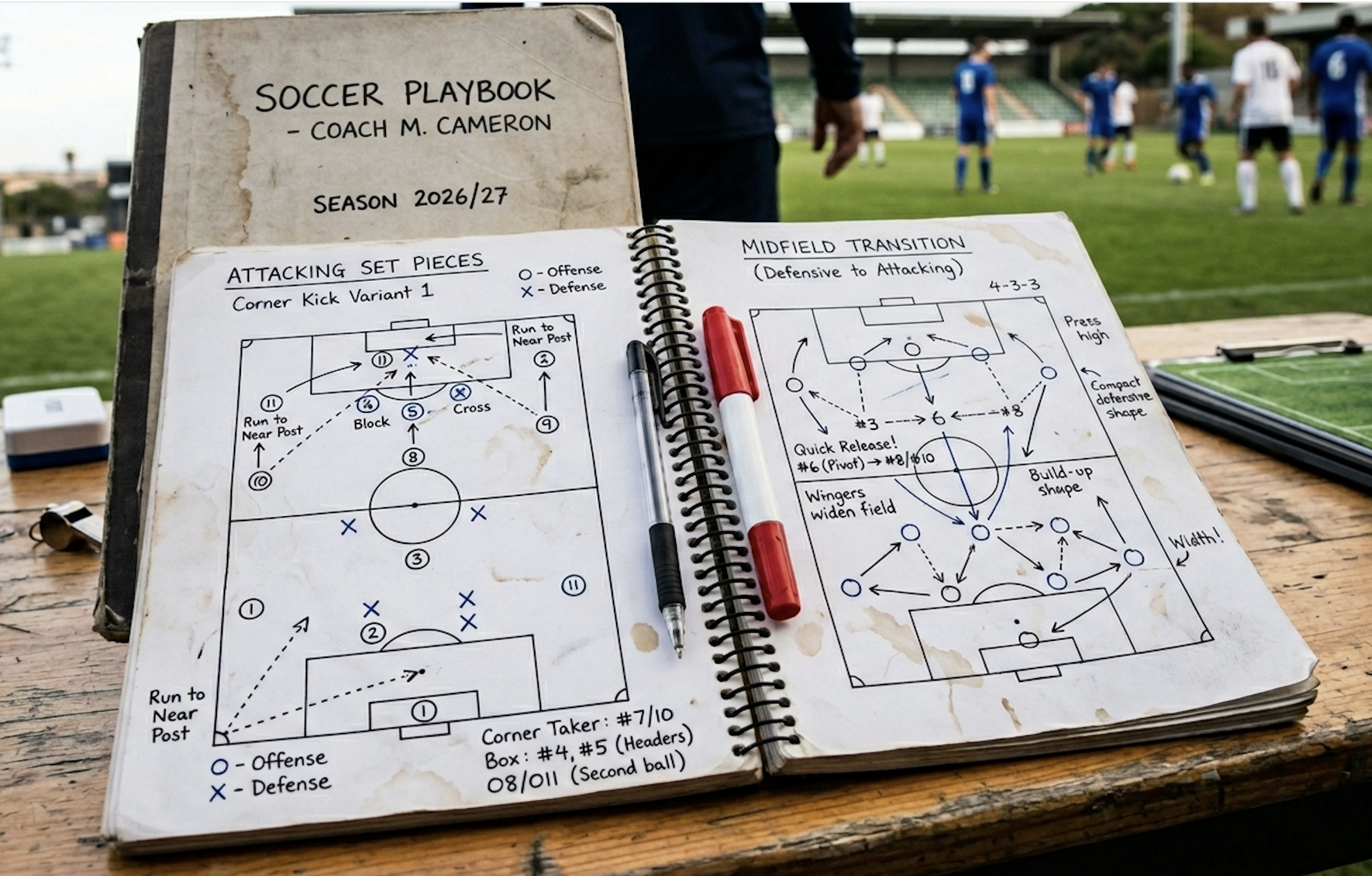
Most people know I’m a therapist, but you may not know that I’m also a diehard Liverpool Football Club fan (that’s English soccer).
Over the weekend, Liverpool announced they were firing their head coach after only two years.
Over the weekend, my (Amy) uncle passed away.
He loved to have fun, yet he was also intense. He loved his children deeply, but I also know his words and temper hurt them deeply too.
Sitting with my cousin as her father passed, I couldn’t stop thinking about how complicated love can become when emotional wounds go unhealed.