Use this category to send a blog post out as a newsletter.
The New Year always seems to take me by surprise. There’s such a huge buildup to Christmas—and then suddenly, the New Year hits, and it’s all over. Everything resets, and we’re back at the beginning again.
Last week, I wrote about learning how to be an adult when we go home for the holidays. This week, I want to face what it looks like to let go of the parenting role. We all know the word adulthood, but have you heard the term selfhood?
Why can it be so hard to feel like an adult when we go home for the holidays? You might be confident and competent in your career, respected by friends, or looked at as a leader in your church—but when you walk back into your family’s home, you can suddenly feel twelve again.
On a scale of 1 to 10, how much do you hate disappointing others? If I’m honest, my number is still higher than I’d like to admit. Recently, I found myself locked out of a work system—one I hadn’t logged into for a long time.
Let’s talk about history. No, not world history, but people’s history—your history! History matters in so many areas of our lives: When you go to a new doctor, what’s the first thing they ask for? Your medical history.
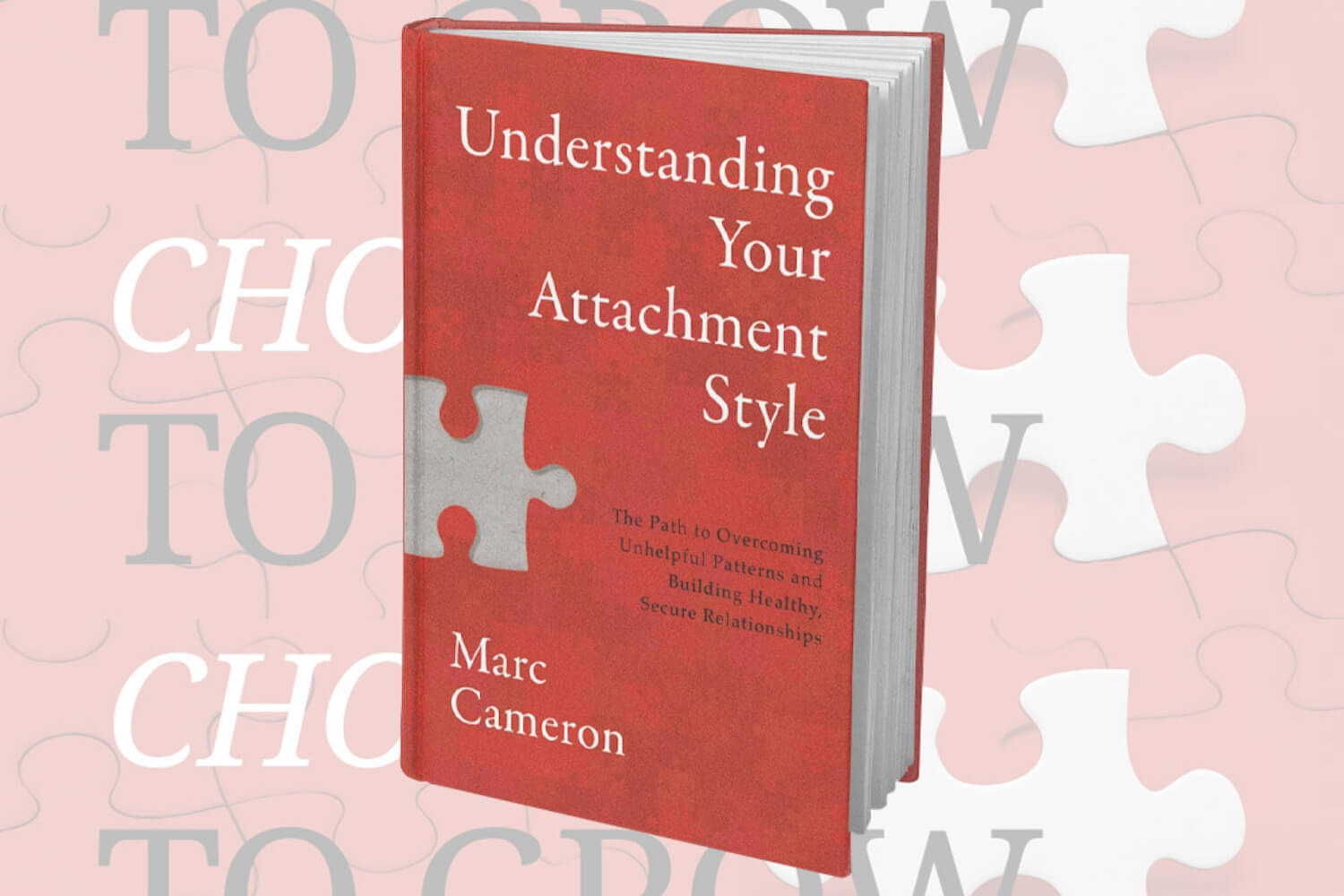
Well, my book officially releases TODAY—and I want to share with you why I wrote this book. For many years, I was aware of reactions in myself that I didn’t like from ways I’d get triggered by things that felt bigger than the moment.
As Thanksgiving approaches, I (Amy) find myself reflecting on how different this holiday looks now compared to when I was a kid. Back then, my only job was to roll out of bed, show up, eat incredible food, enjoy my family, and take a nap. Life was simple, and it was wonderful.
Let’s be honest—we all blow it at times. When we’re stressed, we can be impatient or easily annoyed. And sometimes, we just say the wrong thing without meaning to. Now here’s some interesting research from the Gottman Institute…
Amy and I had a conflict last week, which took longer than usual to resolve. We both got stuck, feeling we were more wronged and wanting the other to apologize first. We eventually resolved, but it took some humility.
Have you ever said or heard someone say, “I’m getting triggered!”? Most of us have — and usually what we mean is, “I’m getting angry and about to blow—so be warned!”