I want to answer a question that so many people struggle with alone:
How does a relationship heal after betrayal?
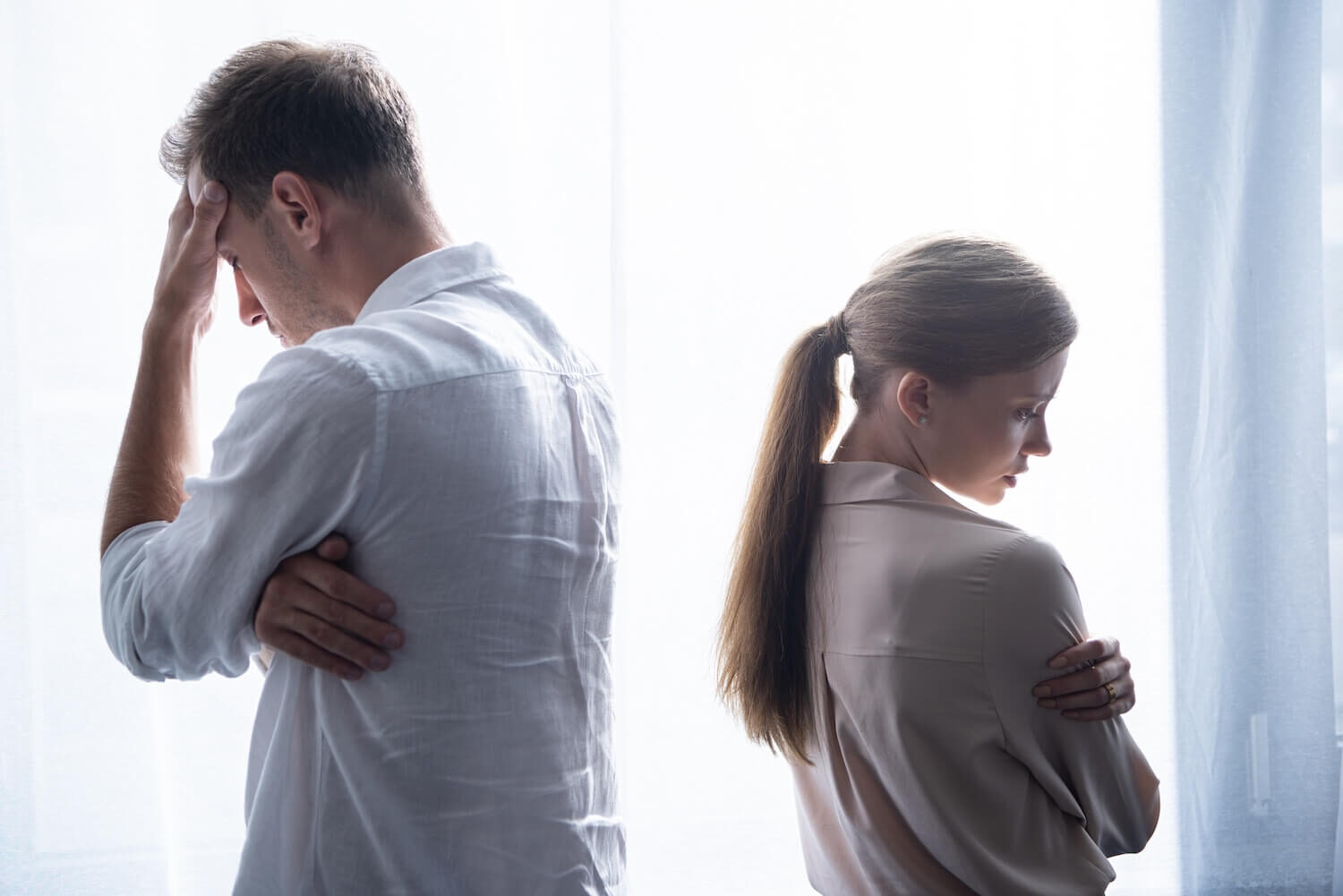
In the Betrayal Recovery community, the initial discovery is often called D-Day. It’s the moment when your reality comes crashing down—when a truth you never thought, or hoped, was possible is suddenly undeniable.
And when that discovery happens, it’s not just painful. It’s disorienting.
Because unfaithful partners often use blame and gaslighting to hide their acting out and shift the focus off themselves, their spouse can become trained not to trust their own judgment. So, when the truth finally surfaces, the betrayed partner isn’t just devastated—they’re destabilized.
Suddenly, they’re acutely aware of all the times they don’t really know where their partner is, what they’re doing, or who they’re with.
That question: “Are they really where they say they are?” can loop endlessly in the mind.
This is where hypervigilance sets in, often resulting in obsessive “checking”—their spouse’s texts, emails, social media, bank charges, location services—to make sure they’re not being betrayed.
And, if the unfaithful spouse is unrepentant or unwilling to enter recovery, the betrayed partner often feels like they’re having to police them.
These behaviors can look controlling from the outside and even feel wrong to them.
But this isn’t snooping or coercion—it’s safety-seeking.
When trust has been shattered, it’s normal for our nervous system to try and protect ourselves from further harm.
When you feel like you’re the one keeping your spouse accountable, so you feel safe, you remain stuck in hypervigilance. Your healing stalls because you’re still in survival mode.
So, what does real healing require?
Here are three major steps a truly repentant partner must take to become safe after betrayal.
- There must be a full therapeutic disclosure for total transparency.
This is a structured process with a trained therapist, where the unfaithful partner prepares a complete timeline of their acting out—what was hidden, who was involved, money that was spent. Everything. This is about explaining, not blaming.
A betrayed spouse cannot truly forgive what they don’t know.
Recovery does not begin with discovery.
It begins with disclosure.
- The unfaithful spouse must take total responsibility for their betrayal.
While they likely have legitimate complaints over unmet needs in the relationship—their acting out to deal with this rather than confront it in a healthy way was their choice. From the moment the betrayal began—even if their spouse was unaware—they sabotaged any intimacy that could have occurred because their allegiance was to their affair or addiction.
- The unfaithful partner must hold themselves accountable for their recovery.
That means joining a recovery group, getting a mentor or sponsor who meets with them several times a week, and working a structured plan to address the underlying behaviors and patterns.
Only with these efforts is the betrayed spouse free to focus on their own healing rather than spending their energy making sure they’re not continuing to be betrayed.
If an unfaithful spouse is unwilling to take these three steps, full recovery of the relationship is unlikely. Because for the relationship to recover, both people must first individually recover.
Resources for Rebuilding After Betrayal
At How We Love, we believe there is an ultimate Healer who makes healing possible. And we want you to give you hope.
- If you’ve been through an affair—on either side of the story—don’t stay stuck.
- If you’ve been betrayed, you can be restored.
- If you’ve betrayed, you can become a person of integrity.
Don’t let another day go by trapped in shame. Rise up and move toward growth. Healing is not instant, and some days will be harder than others—but you can do this.
Find a therapist who specializes in betrayal recovery and check out these two webinars to get you on the path to healing:
Then, understand the root causes of your attachment styles that drive the underlying conflict cycle.
Our Couples Bundle has everything you need to get you on your journey to relational recovery. All for less than the cost of one private therapy session—Just $149!
🙌 Thank You for Growing with Us
Thanks for being part of the How We Love community.
Keep learning, keep loving, and keep growing together.
With love and blessings,
Marc & Amy
Milan & Kay
Join over 100,000 people receiving our weekly relationship Insights directly to their Inbox.
Sign up using the form at the bottom of this page.